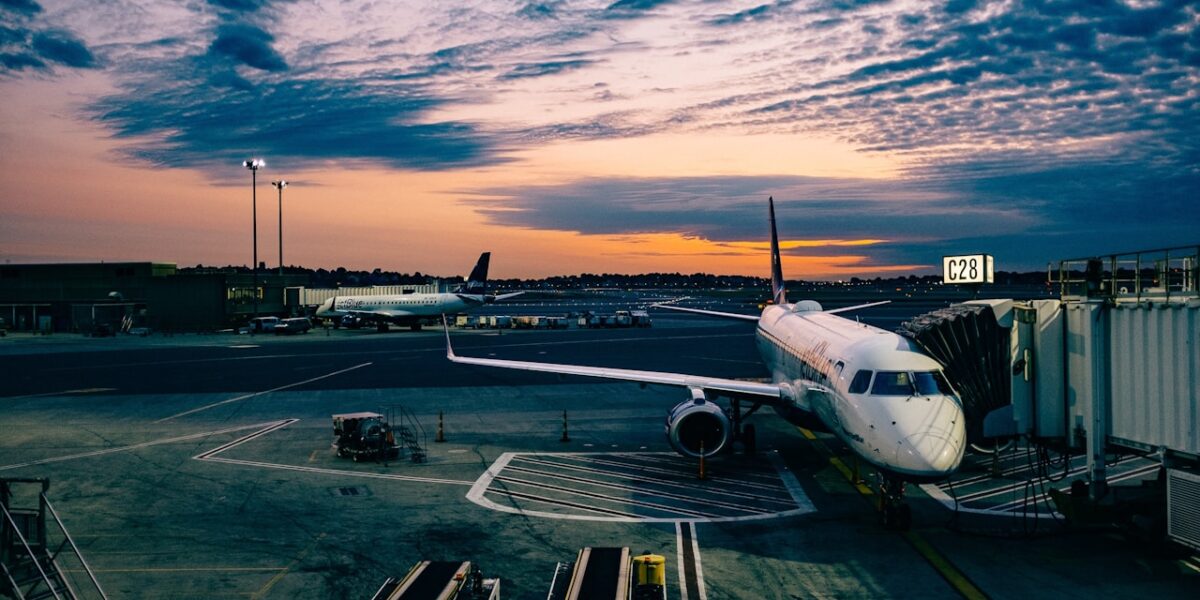
How Much is a Commercial Plane?
I was having dinner with an airline executive friend last month when she casually mentioned her company was about to take delivery of a new 787. “The board meeting about that purchase was something else,” she said with a laugh. “People who deal in millions suddenly got very quiet when we started talking about airplane prices.” It got me thinking about how most of us have no idea what these machines actually cost – and honestly, the numbers are staggering.
What Drives Those Eye-Watering Price Tags
Commercial aircraft are probably the most complex machines humans regularly produce. So when you look at the costs, keep that in mind – these aren’t just big metal tubes with seats. Here’s what factors into the price:
- Model and Size: A regional jet like the Embraer E175 costs a fraction of what a wide-body Boeing 787 runs. Basic economics – bigger plane, bigger price.
- Features and Customization: Airlines don’t just buy planes off the shelf. Cabin configurations, entertainment systems, special fuel tanks, upgraded avionics – every choice adds to the total.
- Production Costs: The R&D that goes into designing a new aircraft model is astronomical. Testing, certification, manufacturing setup – all of it gets baked into what you pay.
- Market Conditions: Like any big-ticket item, prices fluctuate with demand. When airlines are ordering heavily, prices tend to creep up.
- Sustainability Features: Newer eco-friendly technologies often command premium pricing upfront, though they can save money over the aircraft’s lifetime.
What Different Planes Actually Cost
Let me break this down by category, because the range is enormous:
Regional Jets
These smaller aircraft connect smaller cities to major hubs. They’re essential to the network but won’t break the bank (by airline standards):
- Embraer E175: Roughly $45 million
- Bombardier CRJ900: Around $49 million
Narrow-Body Jets
The workhorses of the industry – the planes you probably fly on for domestic trips. Still substantial investments:
- Boeing 737 MAX 8: About $121.6 million
- Airbus A320neo: Approximately $110.6 million
Wide-Body Jets
For long-haul international routes, these big birds carry the passengers and the cargo. And the price tags show it:
- Boeing 787-9: Roughly $292.5 million
- Airbus A350-900: Around $317.4 million
The Costs That Come After Purchase
Probably should have mentioned this earlier, but buying the plane is just the beginning. The real financial commitment includes:
- Training: Pilots, flight attendants, mechanics – everyone needs to learn the new equipment. That’s not cheap.
- Maintenance: Regular inspections, repairs, overhauls. Commercial aircraft live by the maintenance schedule.
- Fuel: Massive ongoing expense, subject to global oil price swings.
- Insurance: When your asset costs $300 million, the insurance premiums reflect that.
- Airport Fees: Landing rights, gate access, ground handling – it adds up.
How Airlines Actually Pay for These Things
Here’s what most people don’t realize: airlines rarely pay cash for aircraft. The financing structures are creative:
- Leasing: Many carriers lease rather than buy. Operating leases keep the plane off the balance sheet; finance leases eventually transfer ownership.
- Loans: Traditional financing with interest payments spread over years or decades.
- Sale and Leaseback: An airline buys a plane, sells it to a leasing company, then leases it back. Frees up capital for other uses.
The Long Game: Why High Prices Can Make Sense
Despite the sticker shock, modern commercial aircraft often justify their costs through efficiency:
- Fuel Efficiency: New-generation planes burn significantly less fuel per seat-mile than their predecessors.
- Lower Maintenance: Advanced materials and engineering reduce repair frequency and cost.
The Big Two: Boeing and Airbus
These companies dominate commercial aviation manufacturing, and for good reason.
Boeing
Based in the US, Boeing built iconic aircraft like the 747 that shaped modern air travel. The 737 family remains one of history’s best-selling commercial aircraft.
Airbus
Headquartered in France, Airbus has become a true competitor with the A320 family and the now-retired A380. They’ve captured roughly half the market.
The Used Aircraft Market
Not every airline buys new. The secondary market offers advantages:
- Lower Initial Cost: Used planes cost less upfront, though maintenance costs may be higher.
- Faster Availability: No waiting for production slots – used aircraft can enter service quickly.
Where Things Are Heading
The market keeps evolving:
- Electric and Hybrid Aircraft: Still experimental for commercial scale, but the technology is advancing.
- Increased Automation: Could affect crew requirements and training costs down the road.
- Environmental Regulations: Stricter rules are pushing demand for more efficient aircraft.
The Bottom Line
Commercial aircraft represent massive investments, influenced by everything from size and features to market conditions and financing structures. Understanding these variables helps explain the economics of the airline industry – and why ticket prices are what they are. Every time you board a flight, you’re stepping onto a machine that might have cost more than a small town’s annual budget. That’s what makes aviation endearing and remarkable – the sheer scale of what we’ve accomplished in moving people around the planet.


Stay in the loop
Get the latest wildlife research and conservation news delivered to your inbox.