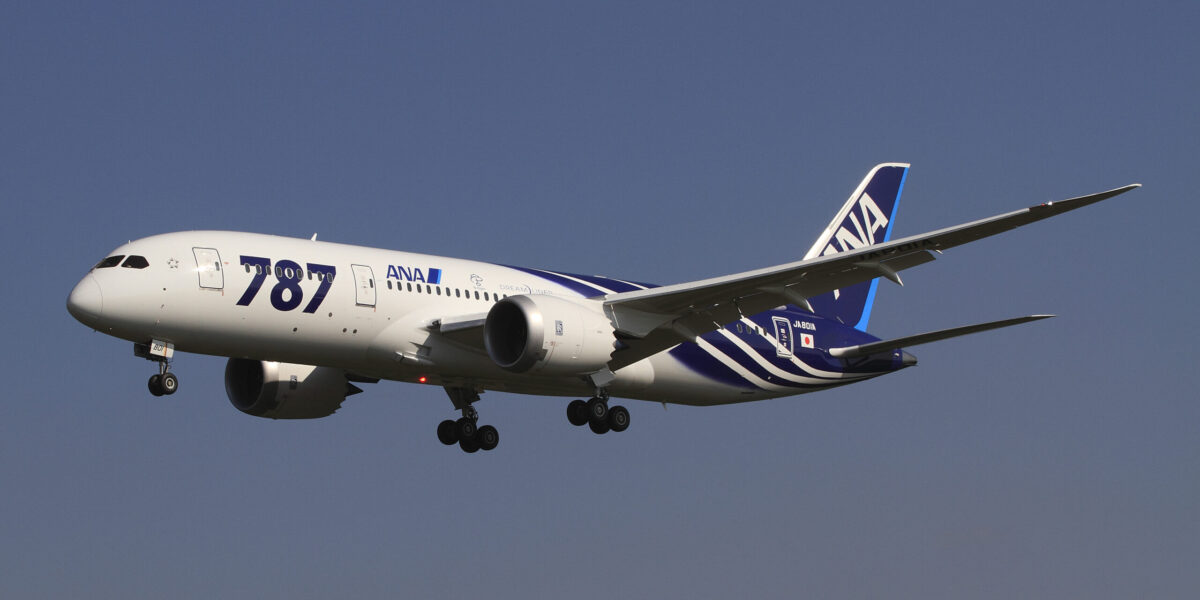
The Widebody Battle Heats Up
The competition between the Boeing 787 Dreamliner and Airbus A350 continues to shape airline fleet decisions worldwide. As both programs mature and production ramps up, airlines face increasingly nuanced choices about which platform best fits their networks.
Market Positioning
Boeing offers the 787 in three variants: the 787-8, 787-9, and 787-10. Airbus counters with the A350-900 and A350-1000. Each manufacturer positions its family to cover routes from long-thin to high-density intercontinental.
The 787-9 and A350-900 compete most directly, offering similar passenger capacity and range. Airlines choosing between them consider operating costs, cabin experience, delivery positions, and existing fleet relationships.
Production and Delivery Reality
Both programs face production constraints in 2025-2026. Boeing has been ramping 787 production after pandemic disruptions. Airbus is pushing A350 rates higher while managing supply chain challenges.
Delivery positions matter. Airlines needing aircraft quickly may accept whichever manufacturer has available slots rather than waiting for their preferred type.
Passenger Experience
Both aircraft types offer improved passenger comfort through lower cabin altitude, higher humidity, and larger windows. The composite construction enables cabin pressure equivalent to lower altitude, reducing fatigue on long flights.
Airlines configure each type according to their product philosophy. Business class suites, premium economy sections, and economy layouts vary widely between operators.
The Bottom Line
The 787 vs A350 competition benefits airlines and passengers. Both types represent significant improvements over previous-generation widebodies. The choice increasingly depends on specific route requirements, delivery timing, and fleet strategy rather than clear-cut technical advantages.


Leave a Reply