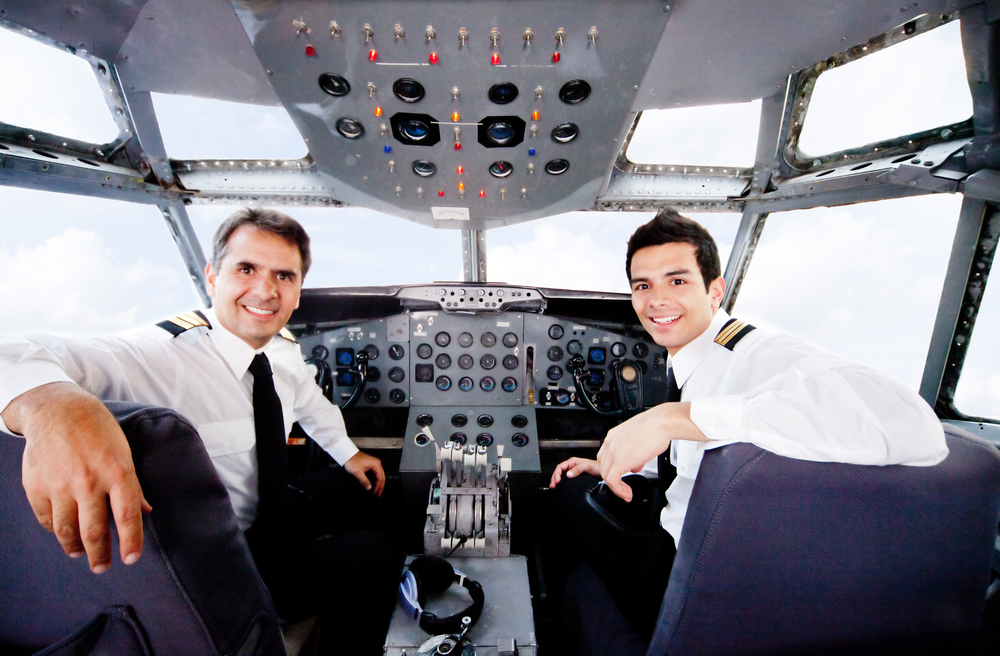
Pilot Layoffs: Industry Impact and Workforce Realities
I remember sitting in a coffee shop near O’Hare in early 2020, talking with a friend who had just upgraded to captain at a regional airline. He’d spent years building hours, paying dues at tiny carriers, finally reaching that milestone. Three months later, he was furloughed. That’s what makes pilot layoffs so personal to those of us in aviation – behind every statistic is someone who dedicated years of training and significant personal investment to reach the flight deck.

Causes of Pilot Layoffs
Economic downturns hit aviation harder and faster than almost any other industry. When people stop traveling – whether due to recession, global events, or pandemics – airlines hemorrhage money at an alarming rate. A grounded fleet doesn’t generate revenue, but the bills keep coming.
Probably should have led with this, honestly: the COVID-19 pandemic represented the most devastating pilot layoff event in modern aviation history. Passenger numbers dropped by more than 90% almost overnight. Airlines that had been expanding aggressively suddenly found themselves with thousands of pilots they couldn’t afford to keep.
Mergers and acquisitions create another layoff pathway. When US Airways merged with American Airlines, the combined carrier had overlapping routes, duplicate crews, and more pilots than needed. These consolidations often promise “no furloughs,” but the reality is messier – voluntary retirement packages, reduced hiring, and attrition do the work more slowly.
Effects on Pilots
The immediate impact is obvious: unemployment in a specialized field where transferable skills don’t always translate to other industries. A pilot with 10,000 hours of flight time doesn’t automatically qualify for other well-paying jobs.
Financial strain hits hard and fast. Many pilots carry significant debt from training – flight school, ratings, certificates, the whole progression from private pilot to ATP can easily exceed $100,000. Add mortgages, families, and lifestyle expenses based on pilot salaries, and a sudden income stop becomes a crisis quickly.
Then there’s the currency problem. Pilots need to log regular flight hours to maintain their certificates and skills. Extended unemployment means skills degrade, currencies lapse, and returning to the cockpit requires expensive requalification training. Some pilots never make it back.
Impact on the Airline Industry
Layoffs don’t just affect individuals – they ripple through the entire industry. Airlines that furlough extensively lose institutional knowledge and experienced crew members. When demand returns, as it eventually does, rebuilding takes time. You can’t just flip a switch and have trained pilots ready to fly.
The recovery from 2020’s layoffs illustrated this perfectly. By 2022, airlines desperately needed pilots, but many had left the industry entirely. Flight schools couldn’t produce new pilots fast enough. The result? Reduced schedules, cancelled flights, and operational chaos that passengers remember vividly.
Airline Responses to Layoffs
Furloughs – temporary unpaid leave with recall rights – became the preferred tool during the pandemic. Unlike permanent layoffs, furloughs maintain the employment relationship and allow faster recall when things improve. Still, a furlough with uncertain duration isn’t much comfort when the mortgage is due.
Early retirement packages offer another option. Airlines incentivize senior pilots to retire early, reducing payroll while protecting junior crew members from layoffs. It’s a trade-off: the industry loses experienced aviators, but younger pilots keep their jobs.
Government and Union Involvement
The CARES Act in 2020 provided billions in payroll support specifically to prevent pilot and airline employee layoffs. It worked, mostly – airlines that accepted the money couldn’t furlough through October 2020. But when the money ran out, layoffs followed.
Unions play crucial roles during these periods. ALPA, the largest pilot union, negotiates severance terms, maintains recall lists by seniority, provides legal assistance for disputes, and lobbies for industry support. That’s what makes union membership endearing to pilots facing uncertain futures – there’s someone in their corner.
Potential Long-Term Solutions
Diversification helps individual pilots weather downturns. Some maintain certifications in multiple categories – rotorcraft, corporate, cargo – expanding their employment options. Others develop skills in aviation-adjacent fields like flight simulation, safety consulting, or aviation management.
Industry-level solutions are harder. Some have proposed collaborative staffing arrangements between airlines, allowing temporary transfers during uneven demand. Others suggest insurance-like mechanisms to smooth income during downturns. These ideas remain largely theoretical.
Future Outlook
The aviation industry is cyclical. Downturns come, layoffs happen, recovery follows, hiring booms begin. Anyone entering this career should understand that pattern. My friend from the coffee shop? He got recalled, eventually. Made captain again. But he’s never quite forgotten those uncertain months, and he probably never will.
For pilots navigating these realities, financial preparation matters enormously. Emergency funds, diversified skills, and realistic expectations about industry volatility help weather the storms that inevitably come.
Related Articles
Continue exploring:
Stay in the loop
Get the latest aircraft insider updates delivered to your inbox.