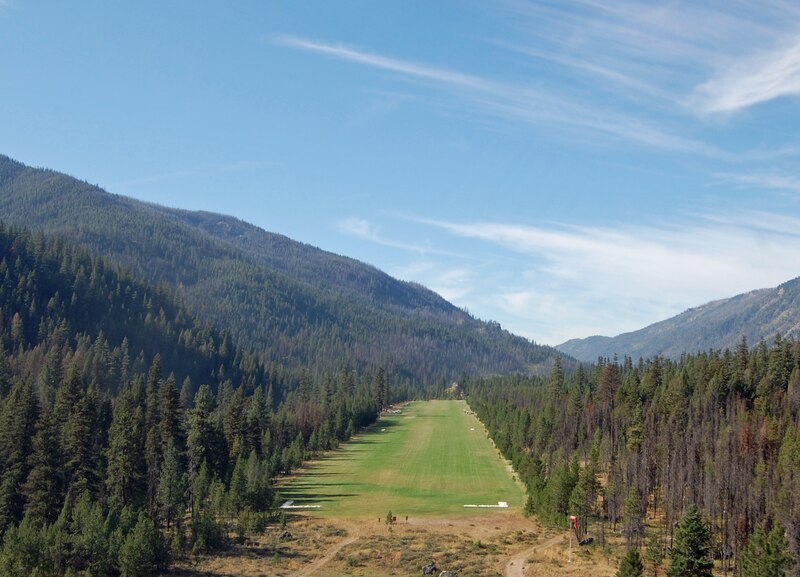
5 Most INSANE Backcountry Strips in Idaho
Think you can handle these? Idaho’s backcountry separates the weekend pilots from the true bush legends. Here are the strips that’ll make your palms sweat.
This article includes affiliate links. We may earn a commission at no extra cost to you.
Planning an Idaho backcountry trip? Pick up a copy of Fly Idaho! A Guide to Adventure in the Idaho Backcountry – the definitive guide to 83 Idaho airstrips.
1. Big Creek (U60) – The Gateway
Why it’s insane: 3,650 feet sounds long until you realize it’s at 5,737′ elevation with trees on both sides. Miss your landing spot? You’re going around—and there’s not much room.
- Location: Frank Church Wilderness
- Runway: 3,650′ x 75′ dirt
- Hazards: Density altitude, afternoon thermals
- Best for: Intermediate backcountry pilots
2. Johnson Creek (3U2) – Backcountry Central
The hub. If Big Creek is the gateway, Johnson Creek is Grand Central Station. On a busy summer Saturday, you’ll see 50+ aircraft here.
- Location: Central Idaho backcountry
- Runway: 3,400′ x 70′ dirt/turf
- Vibe: Lodge, camping, pilot community
- Challenge: Soft spots, busy pattern on weekends
3. Sulphur Creek (U78) – The Pucker Factor
This is where it gets real. 5.5% uphill gradient means you land uphill and takeoff downhill. Get it wrong and you’ll learn what maximum braking feels like.
- Location: Central Idaho
- Runway: 2,650′ x 60′ with 5.5% slope
- No joke: Land uphill, takeoff downhill, or else
- Accidents: Several. Respect this strip.
4. Thomas Creek – Thread the Needle
Narrow doesn’t begin to describe it. Trees on both sides make this strip feel like landing in a hallway. Your wingtips will thank you for being precise.
- Runway: 2,700′ x narrow
- Trees: On. Both. Sides.
- Skills needed: Precision approach, centerline discipline
5. Cabin Creek – Advanced Only
One way in, one way out. This strip doesn’t forgive mistakes. Short, narrow, high elevation, and you better nail your approach speeds.
- Warning: Advanced pilots only
- Runway: 2,000′ (and it feels shorter)
- Required: Backcountry training, STOL aircraft, confidence
Pro Tips for Idaho Backcountry
- Morning departures: Get out before 10am to avoid density altitude and thermals
- Scout first: Fly low and slow to check strip conditions
- Tundra tires: 31″ Alaskan Bushwheels are your friend
- Training: Get mountain/backcountry training before attempting these
- Go-around mindset: Never commit if it doesn’t feel right
- Organize your flight: Use a pilot kneeboard to keep sectional charts and notes accessible during approach
Watch This: Crazy STOL Competition
High Sierra STOL competition – watch these pilots land in distances that seem impossible.
Essential Backcountry Flying Resources
Before you head to Idaho’s backcountry, get proper training and knowledge:
- Fly Idaho! A Guide to Adventure in the Idaho Backcountry – Complete guide to 83 Idaho airstrips with detailed information on approaches, hazards, and camping
- Mountain, Canyon, and Backcountry Flying – Comprehensive training manual by Amy Hoover with 7,000+ hours in Idaho backcountry
- Bound for the Backcountry – History and details of nearly 100 Idaho airstrips
Ready to fly Idaho backcountry? Start with the easier strips, get proper training, and work your way up. These strips aren’t going anywhere—take your time and stay safe!



Stay in the loop
Get the latest aircraft insider updates delivered to your inbox.