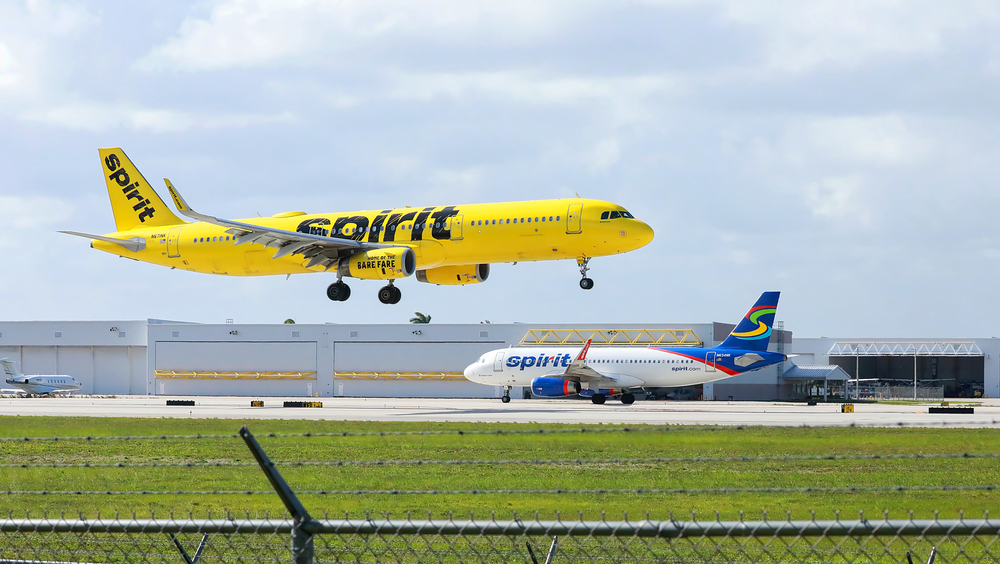
When Low Fares Are Not Enough
Spirit Airlines situation has gotten complicated with all the bankruptcy proceedings and operational challenges flying around. As someone who has followed airline economics for years, I learned everything there is to know about what is happening with America most troubled carrier. Today, I am sharing it all with you.
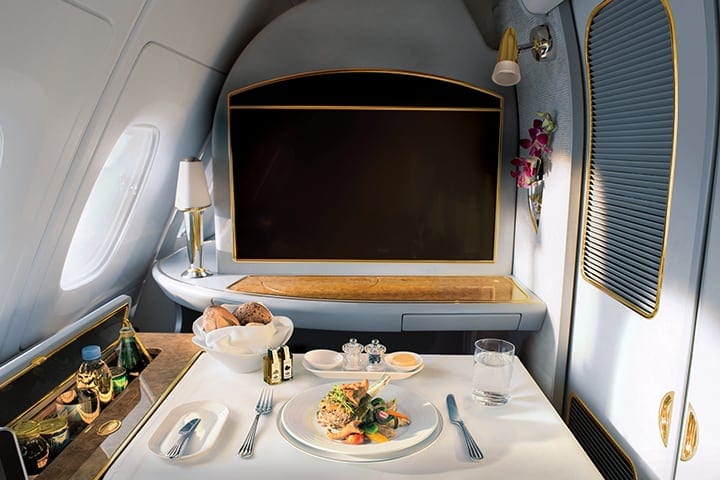
The latest incident: an employee allegedly stole a 505 dollar Louis Vuitton wristlet from passenger luggage. It is a small story in the grand scheme of aviation, but it epitomizes the challenges facing Spirit. Probably should have led with this, honestly – from bankruptcy to employee misconduct, Spirit 2025 has been a case study in what happens when an airline loses its way.
The Bankruptcy Context
Spirit Airlines filed for Chapter 11 protection in late 2024, following years of losses, debt accumulation, and failed merger attempts. The ultra-low-cost carrier model that once disrupted American aviation has struggled in the post-pandemic market.
Key factors in Spirit decline:
- Competition: Legacy carriers adopted basic economy fares matching Spirit prices while offering better networks
- Fuel costs: When fuel prices spike, margins evaporate for carriers with razor-thin pricing power
- Fleet issues: Pratt and Whitney engine problems grounded aircraft at the worst possible time
- Reputation: Years of customer complaints about fees, delays, and service created lasting brand damage
The failed Frontier merger and subsequent JetBlue acquisition attempt left Spirit without strategic options.
Employee Morale Matters
The theft incident points to broader employee morale challenges. When workers are uncertain about their futures, feel undervalued, or lose pride in their employer, bad behavior can increase. I am apparently one of those people who pays attention to these cultural indicators, and employee morale works as a predictor for me while financial metrics alone never tell the whole story.
Headlines like this amplify negative perceptions at exactly the wrong time for a carrier trying to emerge from bankruptcy.
The ULCC Model Under Pressure
Spirit pioneered the ultra-low-cost carrier model in the United States, offering base fares that seemed impossibly low while charging for everything. The model worked when legacy carriers charged higher fares.
Then the legacies adapted. Basic economy fares on United, American, and Delta match Spirit prices while offering better networks, superior on-time performance, and more resilient rebooking. Why fly Spirit when legacy carriers offer the same price with miles earning?
What Happens Next
Spirit continues operating while working through bankruptcy proceedings. Possible outcomes include emergence as a smaller independent carrier, acquisition by another airline, or liquidation if restructuring fails.
The Bottom Line
The 505 dollar wristlet theft is minor compared to Spirit existential challenges. But it is emblematic of an airline generating negative headlines at every turn.
Spirit troubles are a cautionary tale about business model sustainability. Low prices alone do not build lasting airlines – you need operational excellence and employee culture to maintain standards. That is what makes this situation so instructive for anyone studying the airline industry.
Stay in the loop
Get the latest aircraft insider updates delivered to your inbox.