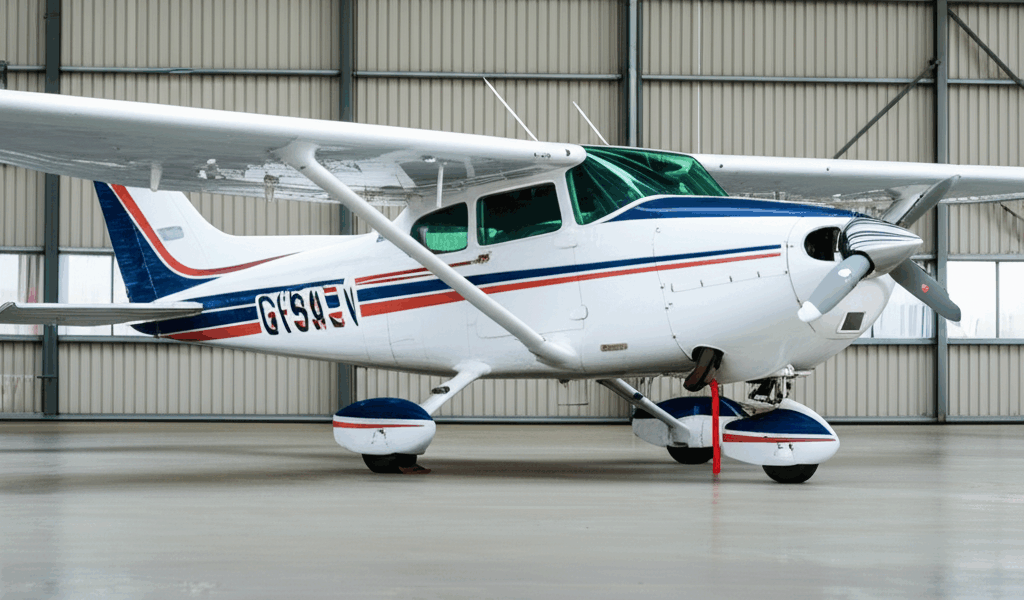
A friend asked me last month whether he should buy an airplane. He’d been renting Cessna 172s for three years, flying about 80 hours annually, and was tired of scheduling hassles and hourly rates that kept climbing. The math seemed simple: why pay rent when you could build equity?
I told him the truth. Sometimes aircraft ownership makes sense. Sometimes it’s financial suicide disguised as freedom. The difference usually comes down to numbers people don’t want to run.
The Break-Even Point Nobody Reaches
Here’s the conventional wisdom: aircraft ownership becomes cost-effective when you fly 100-150 hours per year. Below that threshold, renting, fractional ownership, or flying club membership usually wins financially.
The problem? Most private pilots fly 40-60 hours annually. They don’t reach the break-even point. They know this intellectually, but they buy anyway because ownership feels different than renting. It is different. Just not necessarily cheaper.
My friend flies 80 hours. He’s in the gray zone where either path could work depending on variables he can’t fully control.
The $30,000 Average You’ll Probably Exceed
Industry estimates put annual operating costs for small piston singles (think Cessna 172, Piper Cherokee) at around $30,000. That includes fixed costs, operating expenses, and routine maintenance.
Let’s break that down. Hangar fees run $250-$400 monthly, depending on location. In competitive markets like California or Florida, you’ll pay more. In rural areas, you might find deals, but good luck finding hangar availability—wait lists run 2-3 years in many regions.
Insurance for a typical single-engine aircraft costs $500-$3,000 annually for experienced pilots. New pilots or pilots with recent incidents pay more. In 2025, rates for commercial operations rose 0-7%, and owner-pilot policies jumped $1,000-$5,000 depending on aircraft type and pilot experience. Insurance companies are nervous, and they’re passing that nervousness along.
Annual inspections run $600-$1,200 for a simple aircraft with no surprises. The problem is surprises. That “simple annual” can balloon to $5,000 or more when the mechanic finds corrosion, worn parts, or AD compliance items that were missed.
The Numbers Everyone Forgets
Engine overhauls average 20% more than they did in 2023. Parts shortages and labor constraints have pushed costs higher across the industry. That 2,000-hour TBO engine you’re planning to run to time? Budget $35,000-$50,000 for the overhaul, not the $25,000-$30,000 your neighbor paid five years ago.
Aviation gasoline has risen 5-10% in recent years. At 8-10 gallons per hour for a typical trainer, you’re looking at $50-$70 per flight hour just in fuel—before insurance, hangar, maintenance, or anything else.
Experts recommend maintaining a contingency fund equal to 5-10% of your annual operating expenses for surprise repairs. That’s not paranoia; it’s reality. Airplanes break in expensive ways.
The Hangar Situation Nobody Warned You About
Tie-down parking might cost $2,400 annually. Hangars can exceed $100,000 per year in premium markets. But here’s what catches new owners: you often can’t get a hangar at all.
Many airports have multi-year wait lists. You buy your airplane, excited about ownership, and discover it’s going to sit outside getting baked by sun and beaten by weather for two years before you can protect it. Sun damage to avionics, paint, and interior is real. So is hail damage. So is the slow degradation that comes from environmental exposure.
Ask about hangar availability before you buy. If the answer is “eighteen months,” factor that into your decision.
The Tax Play That Might Help
One area where ownership can make financial sense: business use and depreciation. In 2025, 100% bonus depreciation remains available for new aircraft purchases used for business purposes. That’s real money—potentially six figures in tax savings for the right buyer in the right situation.
But be careful. The IRS scrutinizes aviation deductions closely. “Business use” needs to be legitimate, documented, and substantial. Weekend flights to your vacation home don’t count. Consult an aviation-savvy CPA before assuming tax benefits will offset costs.
What Ownership Actually Gets You
Here’s what the financial analysis misses: ownership changes how you fly.
You don’t negotiate schedules with rental desks. The airplane is there when you want it. You can leave a headset in the cockpit, configure the panel your way, keep your charts and checklists where they make sense. You know exactly how the aircraft has been maintained because you’re the one making maintenance decisions.
Psychologically, owners fly more than renters. The fixed costs feel sunk, so the marginal cost of each additional flight feels lower. This can work for you (more proficiency, more enjoyment) or against you (flying when you probably shouldn’t to justify the investment).
There’s also pride. Your name on the registration. Your airplane. For some people, that’s worth the premium.
The Middle Ground Options
Flying clubs offer a compromise: lower costs than ownership, more availability than rental. You share the airplane with other members, spreading fixed costs while retaining some of the ownership benefits. Quality varies enormously—some clubs are well-run; others are dysfunctional.
Partnerships split ownership costs among 2-4 pilots. You get partial ownership without full expense. The catch: you also get scheduling conflicts, maintenance disagreements, and the inevitable tension when one partner wants to upgrade and another doesn’t. Partnerships work beautifully until they don’t.
Fractional ownership through companies like Flexjet or NetJets applies to jets and turboprops, not typically trainers, but it’s worth knowing the concept exists at higher price points.
The Real Decision Framework
Before buying, ask yourself these questions honestly:
How many hours will you realistically fly? Not how many you want to fly, not how many you’d fly in a perfect world. How many hours have you actually logged in the past three years, averaged annually?
Can you afford to spend $30,000-$50,000 annually on aviation without affecting your financial stability? That’s the real number for a modest piston single. If that amount would strain your budget, you’re not ready.
Do you have access to maintenance and hangar space? An airplane you can’t maintain or protect isn’t a good investment regardless of purchase price.
What’s your exit strategy? Airplanes depreciate or appreciate unpredictably. If you need to sell quickly, you might take a significant loss. Can you absorb that?
My Friend’s Answer
I told my friend to run the numbers honestly, then add 30% for things he hadn’t considered. If it still made sense, go for it. If it looked tight, keep renting another year and save more aggressively.
He’s still renting. Not because ownership doesn’t make sense—it might, for him—but because the honest numbers were closer than he’d expected, and he wanted a bigger margin of safety.
That’s probably the right call. Aviation rewards patience more than enthusiasm.

Leave a Reply