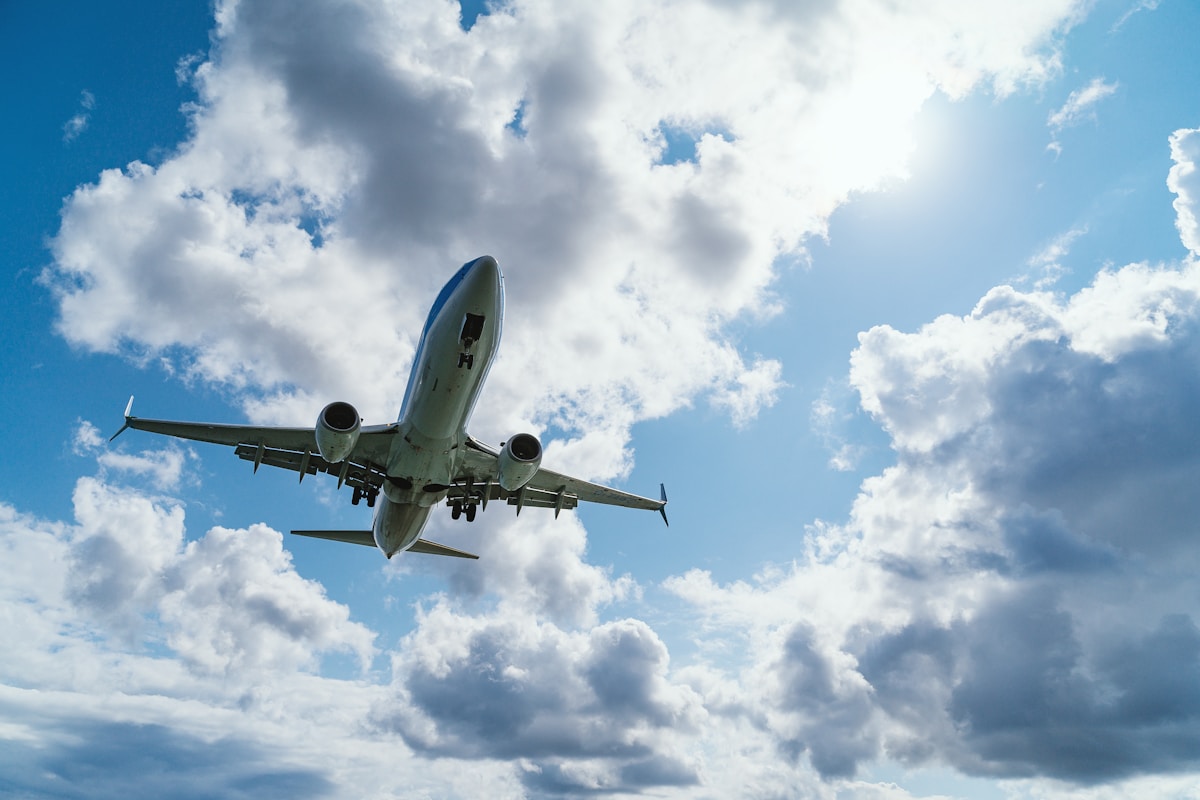
Icelandair Business Class Review
As someone who researches transatlantic routes obsessively before booking, I learned that Icelandair’s business class occupies an interesting middle position in the market — better than most low-cost carriers attempt, genuinely comfortable for the price, but not trying to compete with Qatar’s Qsuites. Today I’ll share what I actually found.

Probably should have led with this, honestly: Icelandair business class on the B757 doesn’t offer lie-flat seats. If that’s a dealbreaker for you on overnight transatlantic routes, that’s useful information before you get too far into this review. But if you’re flying daytime or are happy reclining at a significant angle, the product is solid and the value is real.
Booking and Getting to the Gate
Online check-in opens 36 hours before departure. The website is functional — not beautiful, but it works. Dedicated business class check-in counters at the airport move quickly. Security lines vary by airport, though Keflavik is generally manageable even during peak summer season when the airport is overwhelmed with tourists discovering Iceland.
The Saga Lounge at Keflavik
Keflavik’s Saga Lounge is the highlight of the pre-flight experience. The space is legitimately comfortable — good seating, reliable Wi-Fi, a solid selection of food and Icelandic beverages. The design feels Scandinavian in the right ways: clean, unfussy, actually functional. I’ve used worse lounges at airports that charge twice as much for access.
The Cabin and Seats
The B757 business class cabin is 2-2 configuration. Seats are wider than economy with meaningful extra legroom and recline. They’re comfortable for a 5-7 hour flight. I’m apparently someone who can sleep in a fully reclined seat without needing full flat, and this works for me — those who need horizontal sleep will want to plan accordingly.
That’s what makes Icelandair business class endearing to budget-conscious travelers: you’re getting real comfort improvements over economy without paying for the full-flat premium that adds several hundred dollars to the ticket price.
Food and Drink
The meal service starts shortly after takeoff. Two service rounds on long-haul routes. Pre-meal drinks include a decent wine selection — Icelandair leans into Scandinavian sourcing where possible. Meals arrive on ceramic plates with actual metal cutlery, which matters more than it sounds when you’ve spent time eating reheated food off plastic trays in economy.
Food quality is genuinely above average. Nothing that would earn a restaurant reservation, but I ate a business class meal on an Icelandair flight in 2019 and remembered it afterwards, which is more than I can say for most airline food at any cabin level. Dietary accommodations are available if requested 24 hours in advance.
Entertainment and Connectivity
Personal screens with a solid movie and TV selection. The interface is intuitive. Noise-canceling headphones are provided. Wi-Fi is available, though pricing varies by fare class and route — check before you assume it’s included. For a 6-hour flight I typically bring enough downloaded content to not need connectivity.
Service
The crew is attentive without being hovering. Requests are handled promptly. The service quality feels personal in a way that some larger carriers’ business class doesn’t — partly because the 757 cabin is small enough that the crew actually knows who’s in each seat. It doesn’t reach the white-glove level of a Gulf carrier, but it’s genuinely warm rather than performatively professional.
Disembarkation and Connections
Business class boards first, disembarks first. At Keflavik this matters — the airport gets genuinely crowded, and being through immigration before the economy rush is a tangible benefit. If you’re connecting onward, business class often gets fast-track security access, which saves real time during peak periods.
The Value Question
Icelandair business class isn’t cheap, but it’s priced noticeably below the legacy carrier premium cabin fares on the same routes. The comfort step up from economy — better seat, better food, lounge access, better service — is real. The absence of lie-flat is the main tradeoff. For daytime flights or shorter transatlantic crossings, this is a genuinely competitive product.
If you’re connecting through Reykjavik to explore Iceland, adding business class on the transatlantic leg and economy on shorter domestic segments is a common and sensible approach. The Saga Lounge alone makes a long connection more bearable.
Related Articles
Continue exploring:
- TU-95MS: Why Russia Still Flies This 1950s Bomber
- Pilot Training Resources: From Private License to Advanced Ratings
- Travel Confidently: Packing Toothpaste in Carry-On Bags
Comparing the main cabin: Before paying for a premium cabin, review our current Icelandair Economy fare, seat, baggage and Wi-Fi guide.
Stay in the loop
Get the latest aircraft insider updates delivered to your inbox.