SFO: An In-Depth Look at San Francisco International
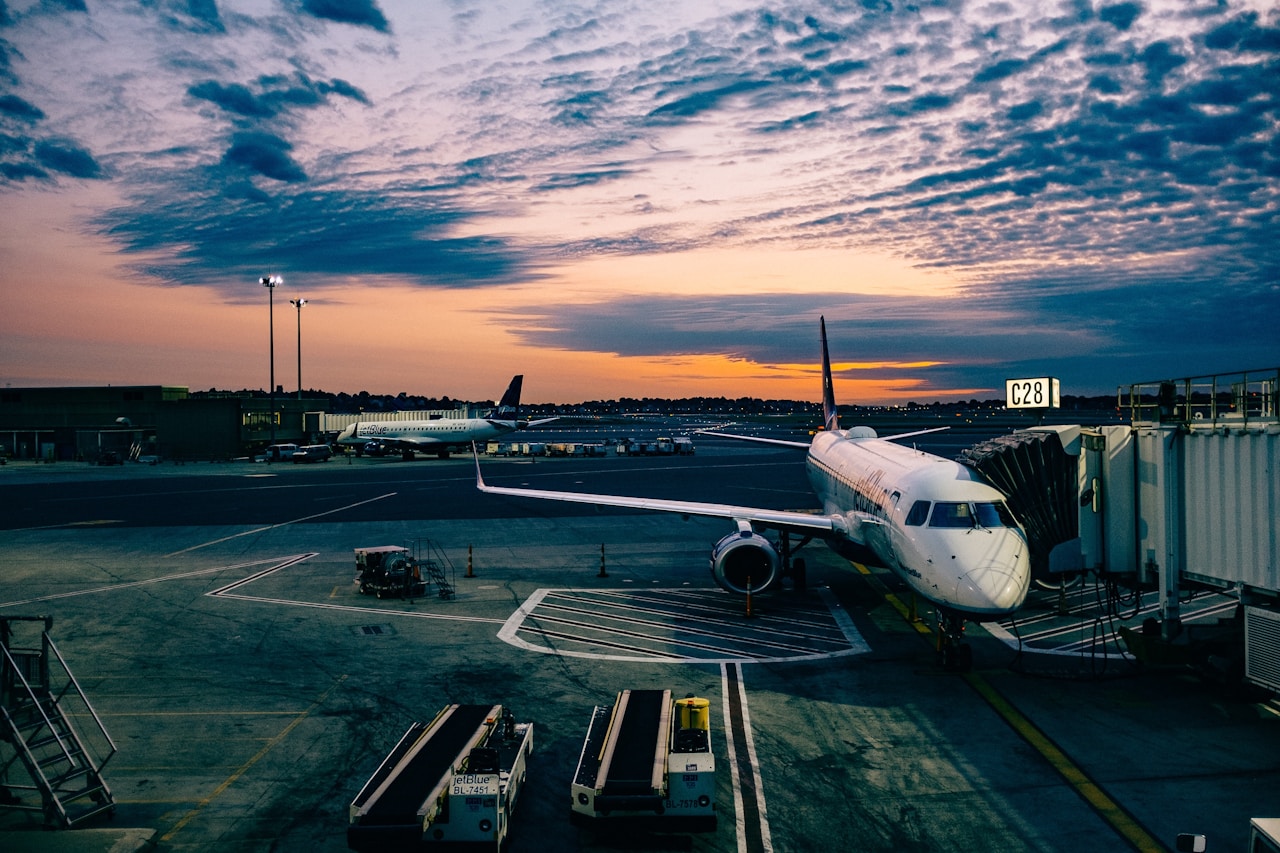
I have flown through SFO more times than I can count, and every time I am struck by how it manages to feel both massive and navigable. Nestled 13 miles south of downtown San Francisco, it is one of the busiest airports in the United States and a central hub for both domestic and international travel.
History of SFO
SFO began operations in 1927 as Mills Field Municipal Airport – a modest airstrip with limited facilities. Over time, it expanded to accommodate the ever-increasing demands of air travel. Post-World War II saw significant growth, and the transformation from local airfield to major international airport commenced.
Operational Aspects
SFO is operated by the San Francisco Airports Commission and handles over 57 million passengers annually. The airport serves as a hub for United Airlines and Alaska Airlines. It features four runways and four passenger terminals, interconnected by the AirTrain automated people mover system.
Passenger Amenities
SFO offers a solid range of amenities. Free Wi-Fi is available in all terminals. Dining options include everything from fast food to fine dining. Retail stores offer shopping opportunities from convenience items to luxury goods.
Art and cultural exhibits are a unique feature here. Rotating exhibitions from local museums and artists decorate the airport. This beautifies spaces and offers travelers a taste of San Francisco rich cultural scene. That is what makes SFO endearing to frequent flyers – it does not feel like a generic airport.
Security and Safety
Security adheres to international standards. TSA oversees screening procedures, and checkpoints are equipped with advanced threat-detection technology. SFO has a robust emergency response protocol with fire department and medical response team on standby 24/7.
Transportation and Accessibility
Getting to and from SFO is convenient. Multiple transportation options include public transit, taxis, rideshares, and airport shuttles. BART provides a direct link from the airport to San Francisco and surrounding areas. The AirTrain connects all terminals, parking garages, and rental car facilities.
Tips for Travelers
- Arrive Early: At least two hours before domestic flights, three hours for international
- Use Online Check-In: Save time with self-service kiosks
- Consider Lounges: Lounge access makes waiting more comfortable
- Explore Dining: SFO has surprisingly good food options
SFO exemplifies what a modern airport should be. It balances operational efficiency with passenger comfort while maintaining an eye on future developments and sustainability.
Related Articles
Continue exploring:
Stay in the loop
Get the latest aircraft insider updates delivered to your inbox.