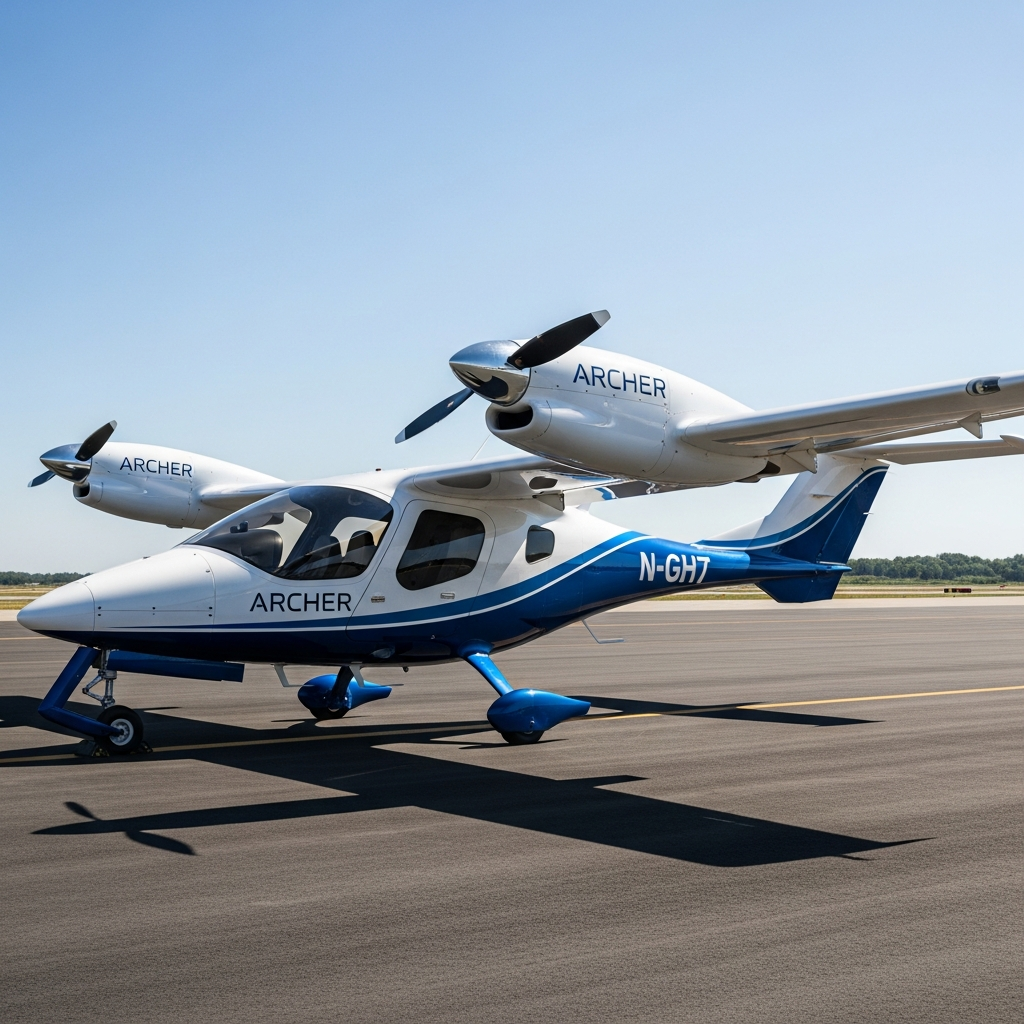
Archer Aviation is set to acquire three Boeing-backed autonomy businesses—Wisk Aero, Insitu and SkyGrid—in a deal that would put electric air taxis, military drones and airspace software under one roof. The twist is just as striking: Boeing plans to invest in Archer and remain a strategic technology partner after selling the subsidiaries.
The companies announced definitive agreements on August 10, 2026. If completed, the transaction would transform Archer from a company known mainly for its Midnight electric vertical-takeoff-and-landing aircraft into a much broader aerospace and defense platform.
What Archer is buying from Boeing
The proposed transaction includes three businesses with very different roles:
- Wisk Aero develops autonomous electric air taxis and the software intended to fly them without a pilot onboard.
- Insitu builds uncrewed aircraft used in defense and intelligence missions. Archer says the business generates more than $200 million in annual revenue and operates across 35 countries.
- SkyGrid develops airspace-management and autonomy software intended to help crewed and uncrewed aircraft operate safely in increasingly complex skies.
Those pieces complement Archer’s Midnight aircraft and its ZEE aerospace-focused artificial-intelligence platform. In practical terms, Archer is attempting to combine aircraft, autonomous flight, airspace coordination and an established defense-drone business.
Why Boeing would sell—and still invest
This is not a clean break. Boeing and Archer say they will enter a technology-sharing and collaboration agreement, while Boeing will retain access to Wisk’s core autonomous-flight technology for current and future commercial and defense aircraft.
That arrangement gives Boeing continued exposure to autonomy without keeping all three businesses inside its corporate structure. Archer, meanwhile, gains engineering, software, defense and international operating capabilities that would take years to build independently.
The structure also signals that Boeing sees potential value in the combined company: it is selling the assets, taking a stake in Archer and preserving access to technology developed by Wisk.
This is bigger than an air-taxi acquisition
Wisk attracts attention because of its pilotless-air-taxi ambitions, but Insitu may be the most immediately consequential asset. It adds an established defense operation and real revenue to a company still working toward scaled commercial service for Midnight.
The combination could also shorten the distance between civil and defense autonomy. Sensors, command-and-control software, certification work and detect-and-avoid systems can have applications across multiple aircraft categories, even though military and civil certification requirements are not interchangeable.
For passengers, none of this means pilotless air taxis will suddenly appear next year. Autonomous passenger operations still face difficult certification, public-acceptance and infrastructure hurdles. See our analysis of why electric aircraft will not replace conventional jets anytime soon.
What has to happen next
The agreements still face customary closing conditions and regulatory review. Until the transaction closes, the companies remain separate businesses and their programs continue on their existing paths.
The questions to watch are how Archer finances and integrates the acquisitions, whether Insitu continues operating with substantial independence, and how Boeing’s retained access to Wisk technology works in practice. Certification progress for Midnight and Wisk’s autonomous aircraft will remain separate milestones.
The bottom line
Archer is not merely buying another electric-aircraft startup. It is attempting to assemble an end-to-end autonomy company spanning passenger aircraft, military drones, flight software and airspace intelligence. Boeing’s decision to invest in the buyer makes the transaction one of the clearest signs yet that traditional aerospace and advanced-air-mobility companies are converging.
Primary source: Boeing and Archer transaction announcement. Transaction status and figures were checked August 23, 2026.
Stay in the loop
Get the latest aircraft insider updates delivered to your inbox.