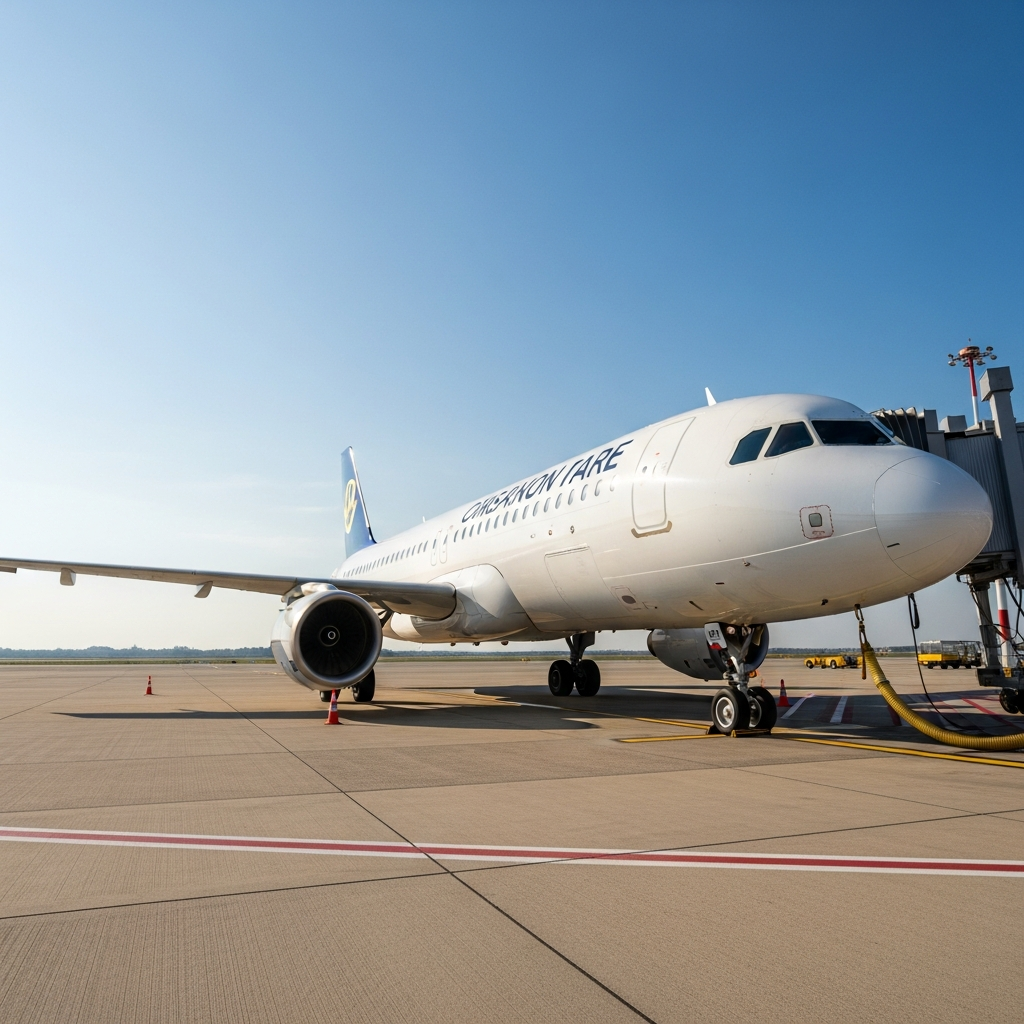
Airbus CEO Guillaume Faury confirmed on June 25, 2026 that the airframer will launch its A320 successor, internally designated eAction, in 2030 as originally planned. The move puts the European manufacturer firmly ahead of Boeing in the race to shape aviation’s next-generation narrowbody market.
Speaking in an interview published June 25, 2026, Faury declared: “We are preparing the successor of the A320, which we call eAction, with a view of launching the programme in 2030.” The aircraft will enter service in 2037 or 2038, following engine selection in 2027.
Faury’s confidence stands in sharp contrast to Boeing’s slower pace. The Seattle manufacturer is expected to begin preparatory work on its competing next-generation narrowbody in 2027, targeting a launch around the end of the decade and service entry in the mid-2030s—a timeline that lags Airbus by several years. When asked about Boeing’s potential delays, Faury responded simply: “perfect.”
The eAction Roadmap
Airbus is working through research and technology development on multiple fronts: wings, fuselage, propulsion systems, and industrial systems. The company aims for a successor that burns 20–25% less fuel than the A320neo or A321neo family through innovative airframe designs, advanced propulsion, and full sustainable aviation fuel compatibility. The target is 20–30% improvements in fuel efficiency and CO2 emissions per seat.
Propulsion is a critical focus. Airbus is jointly de-risking CFM International’s proposed RISE open-rotor engine, assessing integration challenges and preparing tests to validate fuel efficiency gains. The company’s “Wing of Tomorrow” programme has explored folding wing-tips that would enable single-aisle spans around 45 meters (147 feet 6 inches). Faury stressed, however, that no final selections have been locked in.
Boeing has taken a different path—one favoring ducted engine designs derived from advanced research concepts over open-fan architectures.
A Premium Long-Haul Variant Emerging
Faury also confirmed Airbus is studying a smaller, premium long-haul narrowbody variant positioned below the A321XLR. This reflects market bifurcation already underway. United Airlines configured its A321XLR with 150 seats including 20 Polaris lie-flat suites and 12 Premium Plus seats—essentially replacing the Boeing 757 on long-haul routes. American and other carriers are treating the aircraft as a small widebody replacement rather than a traditional narrowbody.
This emerging sweet spot represents a lucrative niche, potentially allowing eAction’s successor to capture market share before Boeing responds.
Production Reality Check
Airbus is targeting stabilized A320neo-family production at 75 aircraft monthly by 2027 before launching eAction. The existing A320neo backlog represents more than 100 months of production at that rate, meaning the two families will almost certainly be built in parallel for an extended period.
That backlog—combined with over 500 firm A321XLR orders extending well into the 2030s—shows why Airbus can afford to move deliberately. With 4,553 A320neo family aircraft already in service across 127 operators, the installed base alone guarantees natural demand for a successor.
Faury emphasized the point: “We say what we do; we do what we say.” The A320 entered service 30 years ago and the A320neo launched 16 years ago. A 2030 launch would give Airbus an estimated six-to-eight-year head start in defining the next cycle—mirroring the strategic advantage the A320neo enjoyed when Airbus announced it before Boeing had even committed to the MAX.
What’s Next
Watch for Airbus’s engine selection announcement in 2027 and continued supplier commitments on advanced materials and systems. Boeing’s 2027 moves will prove equally revealing. The company’s ability to compress its timeline remains uncertain while the 777X and 737 MAX 10 certifications consume engineering resources.
Stay in the loop
Get the latest aircraft insider updates delivered to your inbox.