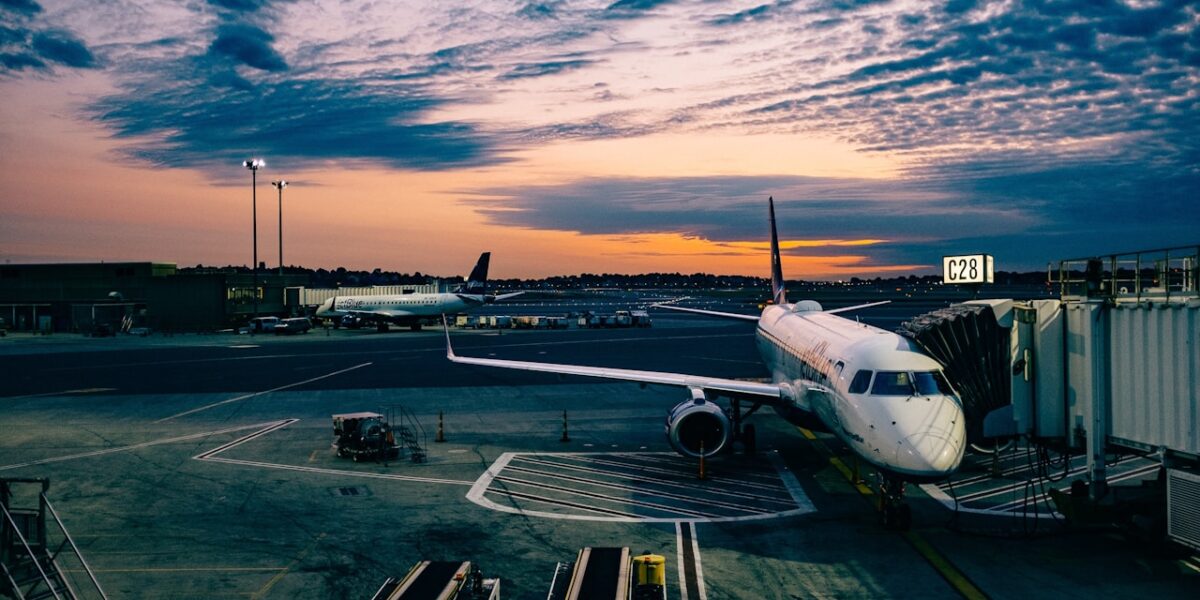
How Long Does It Take to Build a Plane?
Understanding aircraft manufacturing timelines has gotten complicated with all the press releases and production announcements flying around. As someone who’s followed aerospace manufacturing through multiple programs, I learned what actually determines how long planes take to build. Today, I will share those factors.
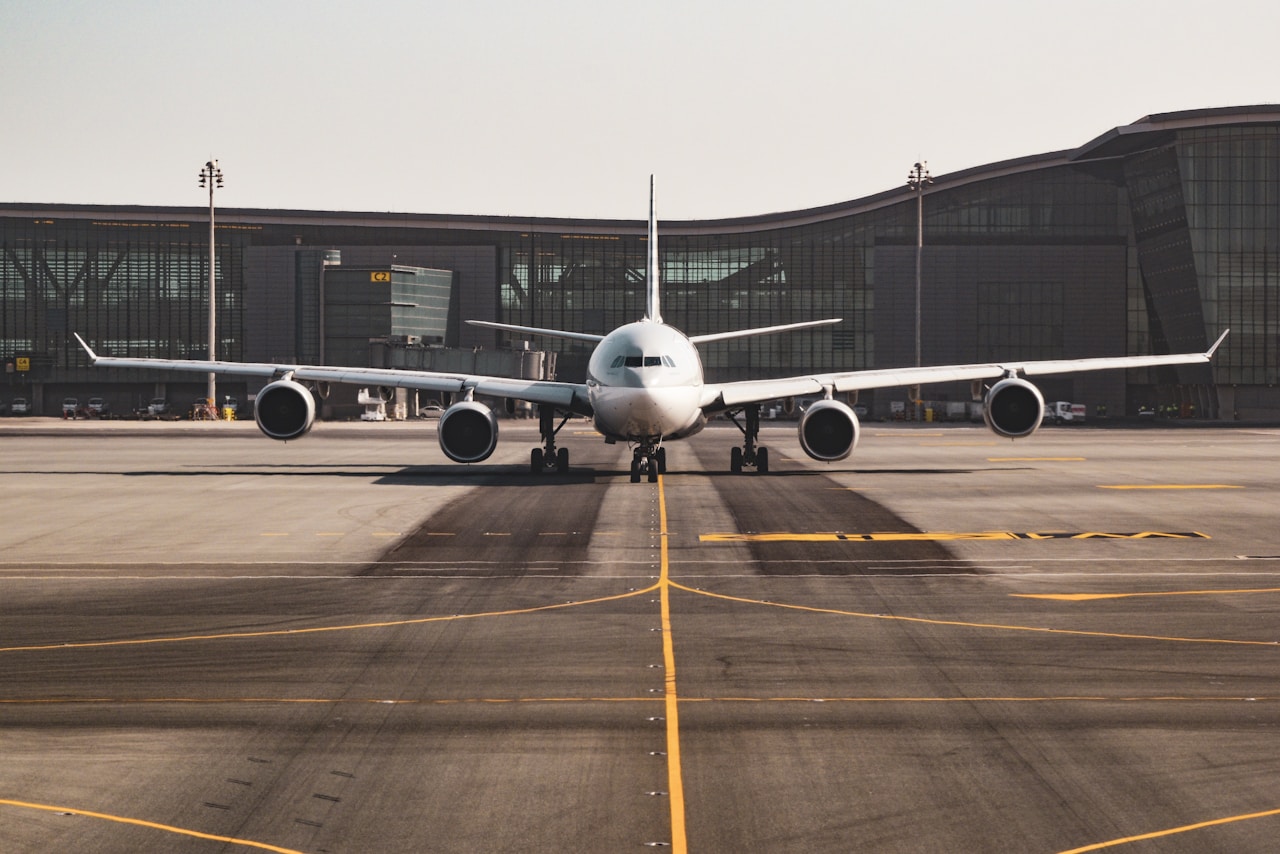
Design and Planning
Everything starts with design. For commercial aircraft, this phase takes several years. Engineers work computer simulations and wind tunnel tests to meet safety and performance standards. The Boeing 787 Dreamliner’s design phase lasted over six years. Probably should have led with this, honestly: most of the time happens before manufacturing begins.
Prototyping
Once design finalizes, manufacturers build full-scale prototypes. Ensuring the design works in reality as it does on paper takes anywhere from months to years, depending on complexity.
Manufacturing Process
- Material Preparation: Raw materials like aluminum, titanium, and composites are prepared. This takes several weeks.
- Parts Fabrication: Thousands of parts are crafted — fuselage, wings, tail. Automated machines and skilled labor both contribute.
- Assembly: Different sections often build in different locations, then transport to main facilities for final assembly.
Assembly Time Frame
Final assembly for an Airbus A320 takes about 21 days. Business jets vary — a Gulfstream G650 takes about 14 months start to finish. Smaller personal aircraft assemble within weeks to a few months. That’s what makes comparing timelines tricky — the range is enormous.
Integration of Systems
Modern aircraft include advanced avionics, navigation, and communication systems. Software installation and testing ensures everything works together. This phase ranges from days to weeks.
Quality Control and Testing
Rigorous quality checks follow assembly. Engineers inspect every component. Ground tests include engine testing, system checks, and structural assessments. This phase often takes months.
Flight Testing
Test pilots fly the aircraft to assess performance, reliability, and safety. New models undergo 6 months to 2 years of flight testing. The Boeing 747’s flight testing exceeded a year.
Certification
Before carrying passengers, aircraft need certification from authorities like the FAA and EASA. This process takes several months, ensuring compliance with safety standards.
Final Delivery
After certification, final touch-ups and inspections precede delivery to customers. This takes days to a couple of weeks.
Factors Affecting Timeline
- Type of Aircraft: Larger commercial planes take longer than smaller private jets.
- Technological Complexity: Advanced technologies in military and commercial aircraft add time.
- Supply Chain: Material and component availability affects schedules.
- Labor Force: Skilled labor availability speeds or delays progress.
Case Study: Boeing 737
One of the world’s most popular jets. Final assembly takes about 10 days, but significant preparatory work precedes this. From initial order to delivery spans over a year.
Case Study: Cessna 172
This widely used light aircraft has simpler design allowing quicker builds. Assembly completes within four to six weeks. Order to delivery typically takes about six months.
Building aircraft involves various stages with timelines varying by type, complexity, and circumstances. From design to delivery, creating reliable, safe aircraft is detailed and time-consuming — as it should be.
Related Articles
Continue exploring:
- Discover the 2023 Cessna 182: Affordable Luxury Awaits
- Exploring the World of Private Jets
- How the Wright Brothers Wind Tunnel Changed Aviation Forever

Stay in the loop
Get the latest wildlife research and conservation news delivered to your inbox.