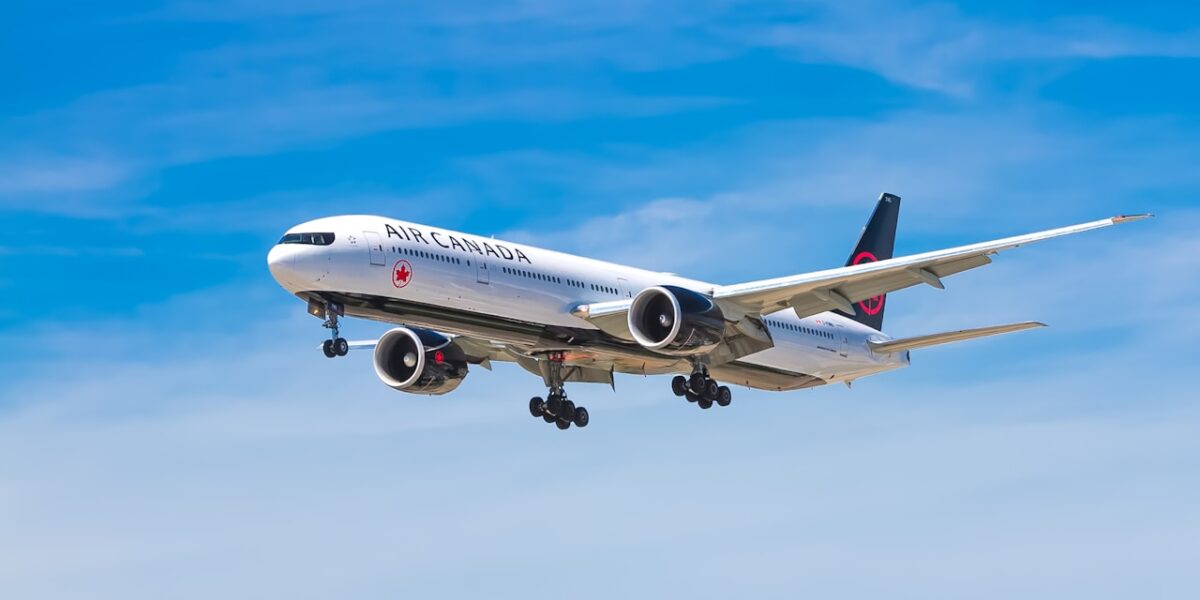
HNL Airport
Landing at Honolulu International Airport for the first time, I was struck by how the terminal opened to the outdoors – birds flying through the concourse, tropical air drifting between gates. It felt nothing like any mainland airport I’d experienced. Probably should have led with this, honestly: Daniel K. Inouye International Airport (still commonly called HNL) isn’t just Hawaii’s gateway – it’s an introduction to how differently things work in the islands.
History of HNL Airport
The airport opened in 1927 as John Rodgers Airport, making it one of the oldest commercial airports in the United States. World War II transformed it into a strategic military asset, and post-war tourism growth demanded continuous expansion. That’s what makes HNL historically significant – it grew alongside trans-Pacific aviation itself. The 2017 renaming honored Senator Daniel K. Inouye, a decorated WWII veteran who served Hawaii for decades.
Terminal Complex
Three terminals serve different functions:
- Terminal 1 – The former Interisland Terminal, primarily serving Hawaiian Airlines’ neighbor island flights. The lounges here feel more local, the rhythm more relaxed.
- Terminal 2 – The Overseas Terminal handling mainland and international flights. Duty-free shops, diverse dining, airline lounges – the standard international airport experience.
- Terminal 3 – A smaller facility for commuter airlines and some interisland services. Basic but functional.
Runways and Facilities
HNL features four runways plus two seaplane runways – a nod to Hawaii’s aviation history. The Reef Runway (8R/26L), built from crushed coral in 1977, was the world’s first major offshore runway. Its position over the ocean means departures and arrivals avoid overflying populated neighborhoods.
Extensive cargo operations reflect Hawaii’s dependence on shipped goods. Everything from Amazon packages to fresh produce arrives by air. Maintenance hangars service everything from interisland turboprops to wide-body trans-Pacific jets.
Transportation and Accessibility
Getting to and from HNL is straightforward. TheBus provides public transit connections across Oahu. Shuttle services run to major hotels. Taxis and rideshares are readily available. Rental car agencies maintain counters at the airport, though traffic between HNL and Waikiki can surprise first-time visitors.
Security and Customs
TSA handles security screening. International arrivals clear U.S. Customs – automated passport kiosks speed the process for eligible travelers. Agricultural inspection is unique to Hawaii – don’t try bringing plants or certain foods between islands or back to the mainland.
Airlines and Destinations
Hawaiian Airlines dominates, connecting the islands and flying across the Pacific. Major carriers serve mainland hubs – Delta from LAX and Seattle, United from San Francisco and Denver, American from Phoenix and Dallas. International service includes Japan Airlines, Korean Air, and Qantas connecting to Asia and the South Pacific.
Passenger Amenities
Free WiFi throughout the terminals. Charging stations for devices. ATMs and currency exchange. Family-friendly areas for travelers with children. The open-air design means natural ventilation and tropical landscaping between gates.
Dining and Shopping
Local favorites like plate lunches and poke sit alongside mainland chains. Duty-free shops serve international travelers. Souvenir stores stock the expected macadamia nuts and Hawaiian shirts. The variety is decent, if not remarkable.
Environmental Sustainability
HNL has implemented energy-efficient lighting, water conservation, and recycling programs. Future expansion prioritizes eco-friendly design – appropriate for an island state acutely aware of environmental limits.
Future Developments
Terminal upgrades and capacity expansions continue. The goal is modernizing while respecting Hawaiian cultural significance – not always an easy balance. Increasing traffic from Asia and continued mainland tourism growth drive these investments.
For travelers, HNL represents the transition from mainland mindset to island time. The outdoor terminals, the slower pace, the tropical air – it’s not just an airport, it’s the first taste of Hawaii.
Related Articles
Continue exploring:
- Bill Anders: Pioneering Astronaut and Visionary Leader
- Discover Qatar Airways: Elevating Travel from South Africa
- Simple Flying: Aviation News and Analysis Website




Stay in the loop
Get the latest wildlife research and conservation news delivered to your inbox.