I remember the first time I flew into San Jose back in 2008, coming from the East Coast for a tech interview. The airport felt almost impossibly small compared to what I was used to – one of those “wait, this is the airport for Silicon Valley?” moments that anyone who has landed at SJC has probably experienced. It’s grown since then, but it still has that compact efficiency that makes it feel manageable even during the busiest travel periods.
A Bit of Background
Norman Y. Mineta San Jose International Airport – named after the former Secretary of Transportation who represented San Jose in Congress for decades – opened as a municipal airport in 1945. The renaming came in 2001, and honestly, it’s one of those airport names that actually means something to locals rather than just being a politician’s name slapped onto the building.
Two terminals now, A and B, handling a respectable volume of both domestic and international flights. Not enormous, but busy enough that you’ll want to know where you’re going before you arrive.
What You’ll Actually Find Inside
Both terminals have the usual lineup of shops and restaurants, though I’ve always found the food options slightly better here than at similarly-sized airports. There’s a California Pizza Kitchen in Terminal A that has saved many a delayed traveler, and the coffee situation is handled adequately by the expected Starbucks and Peet’s locations scattered throughout.
Free Wi-Fi works reasonably well throughout, which isn’t always a given at airports this size. I’ve taken entire conference calls while waiting at gates without issues – your mileage may vary during peak hours.
Getting Around If You Have Mobility Concerns
The accessibility setup is genuinely decent here. Ramps, elevators, accessible restrooms – all the standard requirements, but implemented in a way that suggests someone actually thought about how people would use them. Wheelchair assistance is available with advance notice, and the parking has proper accessible spots that aren’t a quarter-mile from the terminal.
Transportation That Actually Works
This is where SJC shines compared to some larger airports. The Rental Car Center is connected by a dedicated shuttle, which runs frequently enough that you’re never waiting long. Uber and Lyft have designated pickup spots right outside each terminal – the days of playing phone tag with your driver about where exactly to meet are mostly behind us.
Public transit connections via VTA buses are solid if you’re heading somewhere on the route. The light rail isn’t directly at the airport, but it’s close enough. Caltrain provides a commuter option for reaching points further into the peninsula or down toward San Jose proper.
Probably should have mentioned this earlier: if you’re driving yourself, the economy parking is actually reasonably priced for an airport this close to the Bay Area tech centers. The hourly rates for short-term are less reasonable, but that’s true everywhere.
Security and the Pre-Check Question
TSA PreCheck and Global Entry participation makes a real difference here. Standard security lines can back up during morning rush, but the PreCheck line almost always moves quickly. If you’re a regular traveler and haven’t enrolled yet, SJC makes a strong case for it.
The airport recommends arriving two hours early for domestic, three for international. In my experience, that’s conservative for domestic unless you’re traveling during a holiday, but international is a fair estimate given customs and additional screening.
Airlines Operating Here
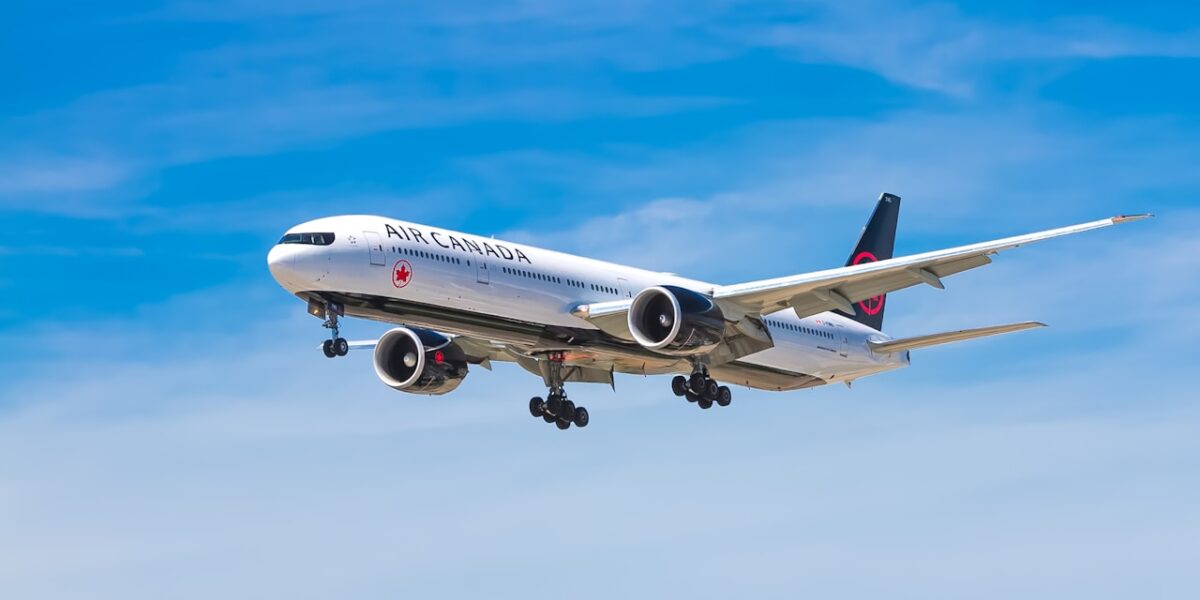
The major carriers all have a presence: American, Delta, Southwest, United. International options include Air Canada and British Airways for those heading to Vancouver, Mexico City, or London. Southwest has historically had a strong presence here, which means decent competition on popular domestic routes.
Looking Ahead
SJC keeps expanding, adding gates and improving facilities. The sustainability initiatives are worth noting – they’ve put real effort into energy efficiency and encouraging public transit use. Whether that matters to you depends on your priorities, but it’s part of what makes the airport feel like it belongs to the community rather than just existing as a necessary inconvenience.
Quick Tips From Someone Who Flies Here Often
- The airport app provides real-time updates and is actually useful, unlike some airport apps I could name
- Tuesday and Wednesday tend to be least crowded, shocker there
- Terminal B generally has shorter security lines in my experience
- If you’re grabbing food for the flight, the options past security are better than at most regional airports
That’s what makes SJC endearing to frequent flyers in the Bay Area – it’s just easy enough that you don’t dread the airport portion of your trip.
Related Articles
Continue exploring:
- Commander 114B: Leading Innovations with Unmatched Excellence
- Cirrus SR22: Complete Guide to the Worlds Best-Selling High-Performance Single-Engine Aircraft
- Discovering CMH Airport: Gateway to Exciting Journeys


Stay in the loop
Get the latest wildlife research and conservation news delivered to your inbox.