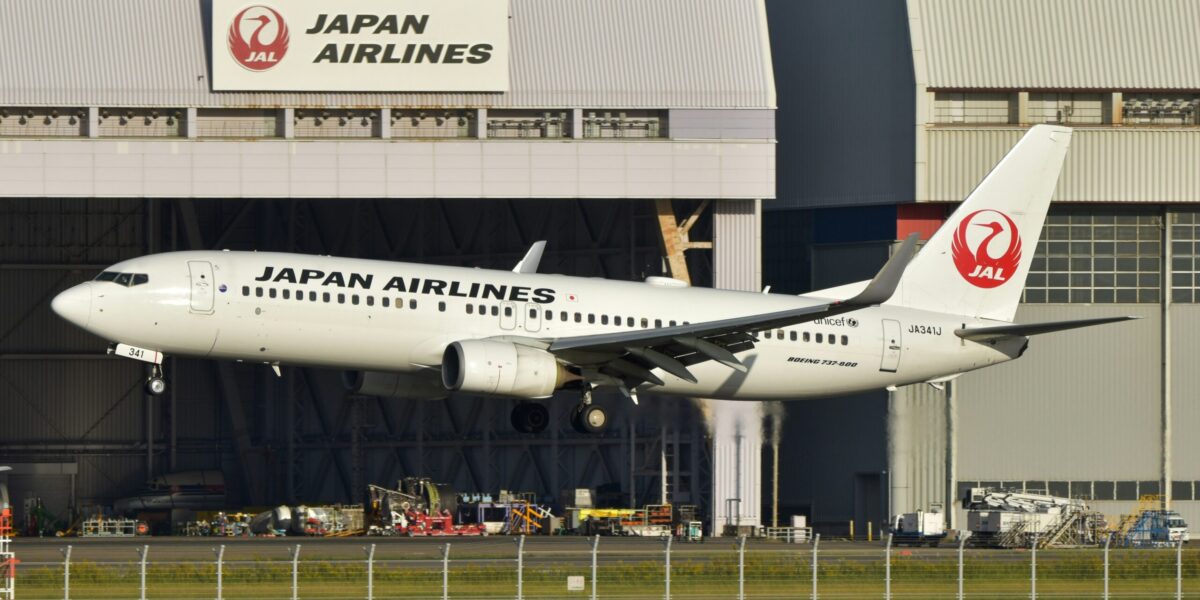
Boeing Gets Green Light to Increase 737 Production
The Federal Aviation Administration has approved Boeing’s request to increase 737 MAX monthly production from 38 to 42 aircraft, marking another significant milestone in the program’s recovery from the quality control crisis that dominated 2024.
The decision signals growing regulatory confidence that Boeing’s manufacturing improvements are taking hold. But as someone who has followed this saga closely, I can tell you the road to full production rates – potentially 52 aircraft per month – remains long.
What the Production Increase Means
Boeing had been operating under a 38-per-month cap since the FAA froze production expansion following the Alaska Airlines door plug incident in January 2024. That cap forced Boeing to balance inventory depletion against new production, creating delivery backlogs for waiting customers.
Moving to 42 aircraft monthly represents a 10.5% production increase. While not dramatic, it allows Boeing to:
- Reduce delivery delays for airlines awaiting new aircraft
- Work through the inventory of “white tail” jets built during the production freeze
- Generate additional revenue to support ongoing quality improvements
- Demonstrate to the FAA that higher rates can be achieved safely
The Path to Higher Rates
Boeing’s long-term goal is reaching 52 737 MAX per month – the rate the company was targeting before the MAX grounding crisis began in 2019. Probably should have led with this, honestly: getting there will require several more regulatory approvals and continued quality performance.
The likely progression: 42 per month now, 47 per month sometime in 2026 (requires FAA approval), and eventually 52+ per month dependent on sustained quality.
What Had to Change
The FAA didn’t simply grant Boeing a production increase based on requests. The manufacturer had to demonstrate substantive improvements in its quality management systems:
- Enhanced inspection protocols at critical manufacturing steps
- Better tracking of installed components and fasteners
- Improved documentation and traceability
- Spirit AeroSystems integration bringing fuselage production in-house
- Additional FAA oversight and embedded inspectors
What It Means for Airlines
Airlines waiting for 737 MAX deliveries should see improved timelines, though the backlog remains substantial. Southwest, United, American, and Ryanair are among the carriers most dependent on MAX deliveries for fleet renewal.
The Bottom Line
The production increase from 38 to 42 per month represents incremental progress rather than dramatic recovery. Boeing remains well below pre-crisis production rates, and full restoration of manufacturing capacity will take years.
But direction matters. The FAA’s approval signals that Boeing’s quality improvements are credible. Each successful increase builds the case for the next one.
That’s what makes this news significant – it’s a step on a long journey. For Boeing, progress. For airlines, hope that new aircraft will arrive faster. For the FAA, confidence that oversight is working.



Leave a Reply