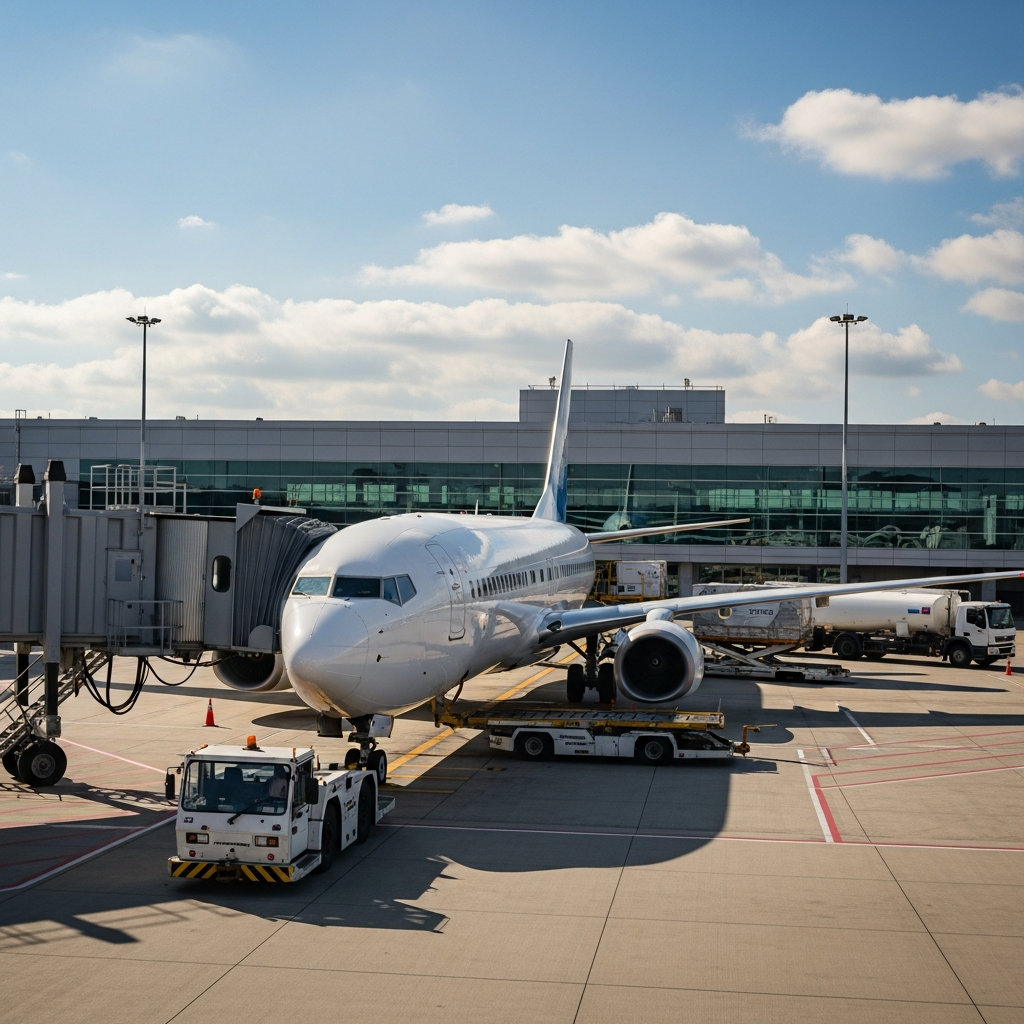
The Federal Aviation Administration has given Boeing back the ability to certify its own aircraft as airworthy—a significant moment for the manufacturer after years under strict federal watch. The decision, announced July 17 and taking effect July 20, 2026, shows the FAA has regained confidence in Boeing’s quality processes and removes a major constraint holding up aircraft deliveries.
“The FAA will allow Boeing to resume issuing airworthiness certificates at the end of the production process for all 737 Max and 787 airplanes,” the agency said in a statement. “The decision follows months of thorough data and safety review demonstrating consistent production quality.”
Eight Months of Side-by-Side Testing
The FAA’s decision rested on eight months of parallel work. During that time, Boeing-issued airworthiness certificates were checked directly against those the FAA’s own inspectors had issued. They matched up—Boeing’s internal findings lined up with federal standards.
“During the past eight months, the FAA has seen comparable production quality findings when Boeing issued airworthiness certificates and when the FAA issued them,” the agency confirmed. “Based on these results, the FAA determined it can safely return this responsibility to Boeing.”
An airworthiness certificate is the final green light before a brand-new aircraft can fly commercially. It confirms the plane meets its approved design and is safe to operate. The move doesn’t recertify the 737 MAX or 787 designs themselves—the FAA keeps those type certificates—but it does let Boeing-authorized personnel, working under FAA delegation, sign off each new aircraft as airworthy before it ships out to customers.
The Long Road Back
Boeing lost this authority for the 737 MAX in 2019. Two catastrophic crashes—Lion Air Flight 610 and Ethiopian Airlines Flight 302—killed 346 people and triggered a 20-month worldwide grounding of the aircraft. The FAA suspended 787 authority in February 2022 after recurring manufacturing problems turned up in tail fin and horizontal stabilizer assemblies.
Then in January 2024, a door panel ripped off an Alaska Airlines 737 MAX 9 mid-flight. The FAA responded by capping Boeing’s production at 38 units monthly—a ceiling that moved to 47 per month in March 2026 as quality improved.
FAA leadership stressed this isn’t rubber-stamping. “Safety drives everything we do, and this step forward is only possible because we are confident it can be done safely,” officials said. Inspectors will keep watching critical assembly stages, production trends, conformity checks, and Boeing’s Safety Management System. They’ll also monitor whether employees feel safe reporting problems without retaliation.
What Happens Now
The decision removes a major bottleneck. Boeing Commercial Airplanes is chasing 53 aircraft per month—what executives call “the magic number” for chipping away at its 4,800+ order backlog—though the company still faces an FAA-imposed production cap of 47 MAX per month. The company has opened a fourth 737 MAX production line in Everett, Washington, and has started early production runs of 737 MAX 10 variants.
Two variants remain in limbo: the 737 MAX 7 and MAX 10 won’t get restoration authority until they receive final type certification—expected within the coming months. The 777X widebody program keeps slipping, now aiming for 2027 certification.
The restoration also reflects Boeing’s landscape after acquiring Spirit AeroSystems. Bringing fuselage manufacturing in-house has cut supply-chain defects that haunted earlier production. The Moses Lake facility—where planes sat waiting for repairs—has been emptied out, freeing up specialized technicians to return to the Final Assembly Lines.
We’ll keep tracking Boeing’s production ramp and how the FAA oversees the company as it pursues this aggressive delivery schedule.
Sources
- Simple Flying
- Federal Aviation Administration Official Statement, July 17, 2026
- FAA Press Release and Regulatory Guidance, July 20, 2026
- Boeing Commercial Airplanes Official Statement
- Congressional Research Service — Aircraft Certification Safety and Accountability Act, 2020
Stay in the loop
Get the latest aircraft insider updates delivered to your inbox.