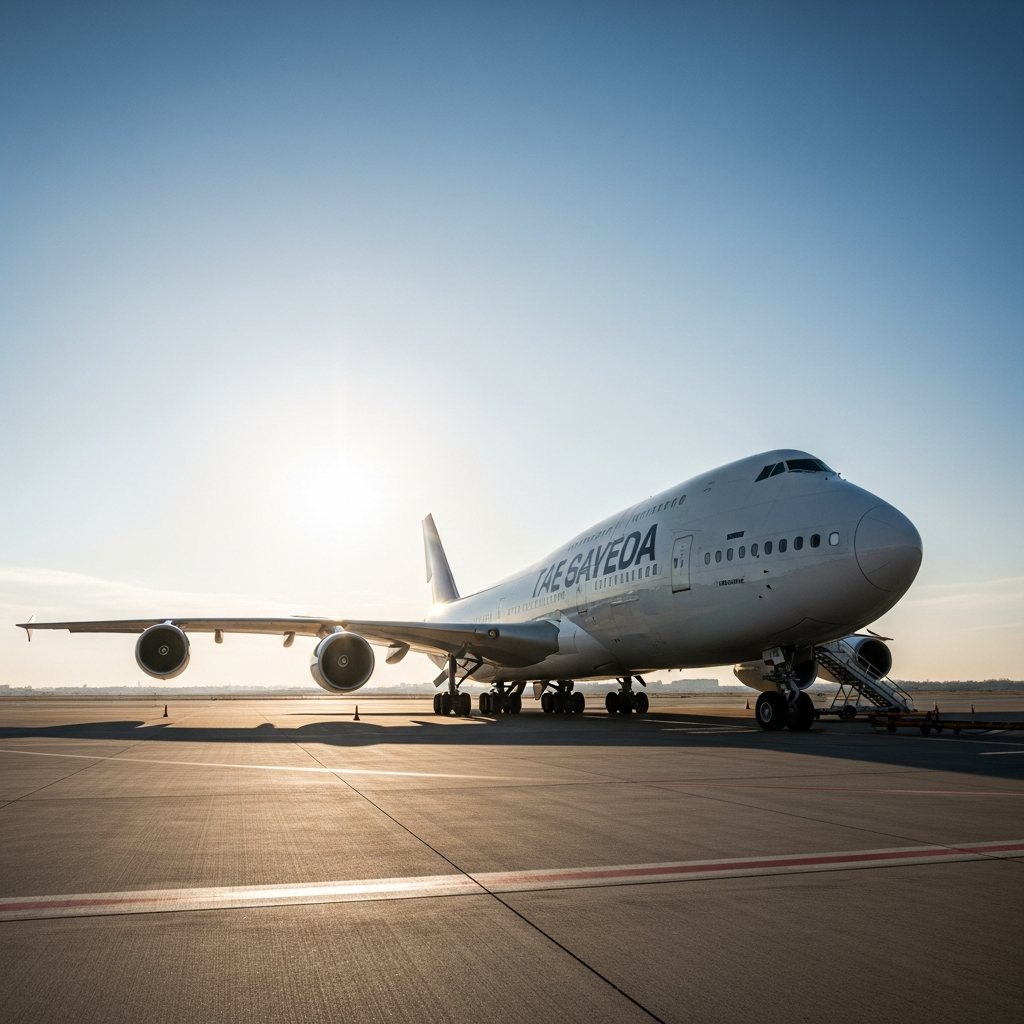
Europe could run out of jet fuel within six weeks. That was the warning the International Energy Agency issued Thursday — and the situation, by every available measure, is getting worse. IEA Executive Director Fatih Birol told the Associated Press on April 16 that the continent faces “maybe six weeks” of remaining reserves, describing the Iran war and Strait of Hormuz closure as “the largest energy crisis we have ever faced.”
The same day that warning landed, Lufthansa announced it was closing regional subsidiary Lufthansa Cityline to reduce further losses. Fuel costs have risen more than 50% since U.S. and Israeli forces launched joint strikes on Iran on February 28 — and Cityline couldn’t survive them. Global jet fuel prices rocketed from roughly $99 per barrel at the end of February to as high as $209 per barrel in early April, a 103% increase in a single month, according to the International Air Transport Association.
The Strait — Closed, Opened, Closed Again
A ceasefire announced April 8 briefly raised hopes. Iran agreed to reopen the Strait of Hormuz; the U.S. agreed to negotiations. Neither lasted long. On April 13, Washington imposed a naval blockade of Iranian ports after the Islamabad Talks collapsed — deploying more than 10,000 troops, over a dozen warships, and over 100 aircraft. Tehran called it a ceasefire violation.
On April 17, Iran announced the strait was open — though the opening was tied specifically to a truce in Lebanon, not the general ceasefire framework. By April 18, it announced the strait was closed again. Within hours of that second closure, IRGC media confirmed the shutdown at approximately 12:00 UTC. Thirteen confirmed vessel reversals followed immediately, including four containerships that had already transited and turned around mid-passage. Over 35 outbound vessels reversed course that day alone.
Then it got worse. On April 22, IRGC commandos seized two foreign container ships in the strait and fired on a third. Iranian state media aired footage of masked Revolutionary Guard forces boarding the MSC Francesca. The Philippine government confirmed 15 seafarers were being held aboard the seized vessels — but said they were “safe and unharmed.”
USS Spruance and the Touska Seizure
The U.S. drew first blood on April 19. Marines from the 31st Marine Expeditionary Unit — launched from the amphibious assault ship USS Tripoli — rappelled onto the Iranian-flagged container vessel Touska after a six-hour standoff in the Arabian Sea. The guided-missile destroyer USS Spruance (DDG-111), an Arleigh Burke-class warship assigned to the USS Abraham Lincoln Carrier Strike Group, was involved in the operation. The Touska, a 294-meter vessel under U.S. sanctions since 2018, was seized under blockade enforcement authority.
Iran’s seizure of the MSC Francesca appears to be direct retaliation.
Airlines Bleeding Out
United Airlines CEO Scott Kirby put the numbers plainly in a March 20 note to staff: “Jet fuel prices have more than doubled in the last three weeks. If prices stayed at this level, it would mean an extra $11 billion in annual expense just for jet fuel.” United has since slashed its 2026 financial forecasts. Fuel typically represents 25–30% of total airline operating costs — at current prices, that figure has blown through whatever hedge protection most carriers had in place.
A single-aisle jet burns roughly 800 gallons per hour. Widebody long-haul aircraft burn considerably more, and those are precisely the planes now flying lengthened routes to circumnavigate closed Middle Eastern airspace — adding both flight time and fuel burn on every cycle. Several major Middle Eastern hub airports, which collectively handle around 15% of global air traffic, remain closed or severely restricted.
European refiners cannot compensate. The IEA confirmed this month that the continent’s refineries are already running at maximum capacity for jet fuel production. There is no slack in the system. The last Hormuz-sourced jet fuel shipment to reach Europe was loaded on February 28 — the day the war started. Nothing is en route to replace it.
“If the passage through the Strait of Hormuz does not resume in any significant and stable way within the next three weeks, systemic jet fuel shortage is set to become a reality for the EU.” — Airports Council International Europe, letter to the European Union, April 9, 2026
The EU’s energy commissioner, Dan Jørgensen, warned April 22 that the crisis could impact energy prices for “months, or maybe even years.” The war is currently costing Europe an estimated €500 million — roughly $600 million — every single day.
What to Watch
President Trump extended the ceasefire on April 22 at Pakistan’s request, giving Tehran time to produce a “unified proposal.” Iran’s next move on the strait is the only variable that matters for aviation right now. If commercial passage does not resume at scale before mid-May, European carriers won’t just face grounded aircraft — they’ll face no fuel to ground them with.

Stay in the loop
Get the latest aircraft insider updates delivered to your inbox.