How to Disable a Drone
A neighbor came to me last month, frustrated because a drone had been hovering over his backyard for the third day in a row. His first instinct was to throw something at it. I talked him down and explained why that was both illegal and likely to cause more problems than it solved. Probably should have led with this, honestly: the urge to disable a drone buzzing overhead is understandable, but the methods available range from legally questionable to outright criminal. Understanding what’s actually possible – and legal – matters before anyone takes action they’ll regret.

Understanding Drone Technology
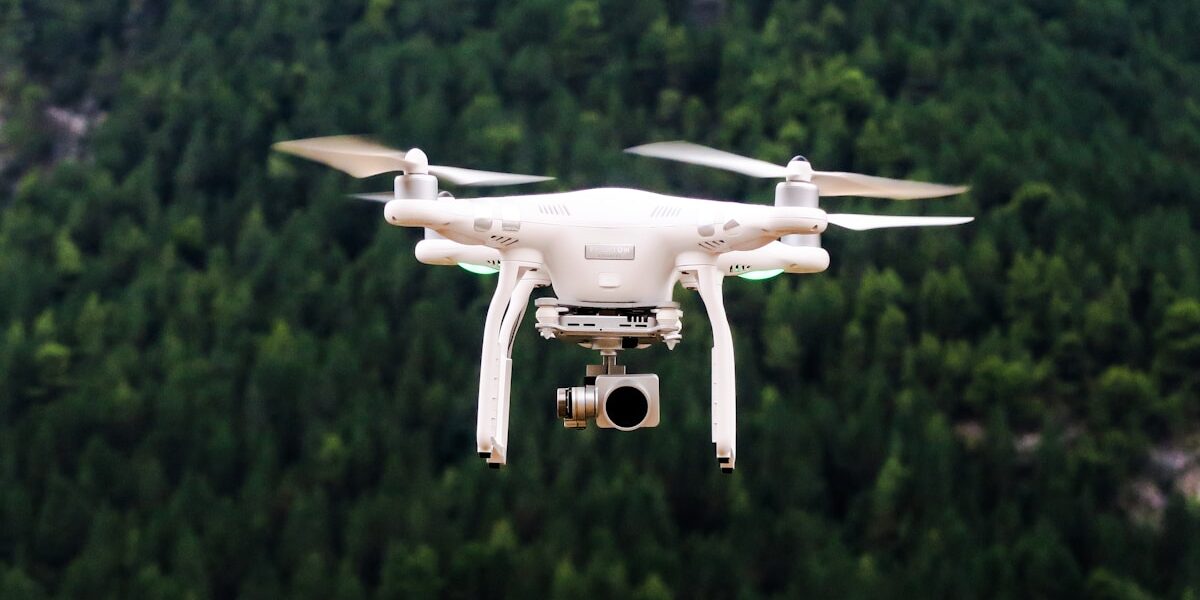
Most consumer drones operate on common radio frequencies – 2.4 GHz or 5.8 GHz – for control signals. GPS provides navigation and position holding. Cameras and sensors enable both autonomous operation and video capture. Understanding these systems helps clarify which countermeasures might work and why many approaches create unintended consequences.
Legal Considerations
This cannot be emphasized enough: unauthorized interference with a drone can bring serious legal penalties. Shooting down a drone is a federal crime in the United States. Jamming radio frequencies violates FCC regulations. Even physically intercepting a drone raises property law questions. Before taking any action, understand the legal framework in your jurisdiction. Document unauthorized drone activity and report it to appropriate authorities rather than attempting vigilante solutions.
Methods to Disable a Drone
1. Jamming Devices
RF jammers can disrupt drone control signals, potentially causing them to lose connection with operators. The drone might hover in place, return to home, or land automatically. However, RF jamming is broadly illegal because it interferes with other electronics indiscriminately – including emergency communications. This is not a viable option for private citizens in most countries.
2. Drone Signal Interceptors
More sophisticated than jammers, interceptors can hijack the connection between drone and controller, potentially taking control of the aircraft. These are used by military and law enforcement in specific contexts. For civilians, using such devices without authorization is illegal and technically challenging.
3. Geofencing Technology
Major drone manufacturers implement geofencing – software restrictions that prevent drones from entering designated no-fly zones. This is a preventive measure implemented at airports, stadiums, and government facilities. That’s what makes geofencing endearing to us policy observers – it prevents problems proactively rather than requiring reactive countermeasures. However, it only works on compliant drones with current software.
4. Laser Systems
High-powered lasers can theoretically disrupt drone sensors or cameras. However, pointing lasers at aircraft – including drones – is illegal and dangerous. Laser strikes on piloted aircraft are federal crimes. Attempting this approach creates legal exposure without reliable effectiveness.
5. Physical Interception
Net guns and trained eagles (yes, really – some countries use them) can physically capture drones. These methods are specialized tools for law enforcement and security agencies. For private citizens, attempting physical interception raises both safety and legal concerns.
Ethical Considerations
Before taking any action, consider the drone operator’s likely intent. Most drone flights are harmless – hobbyists flying for fun, real estate photographers capturing listings, or enthusiasts practicing skills. Escalating unnecessarily creates conflict where conversation might resolve the issue. If a drone seems to be deliberately invading privacy or causing genuine harm, documentation and law enforcement involvement are more appropriate than self-help remedies.
Safety Precautions
- Never take actions that could endanger people or property
- Avoid destructive methods that could send a drone crashing unpredictably
- Consider bystanders and surroundings before any intervention
Reporting and Documentation
If drone activity seems unauthorized or threatening, document everything. Photograph or video the drone if possible. Note times, locations, and patterns. Report to local authorities and, for persistent issues, to the FAA. This creates a record that supports enforcement action and protects you legally.
Using Technology Responsibly
The best approach combines awareness, documentation, and appropriate reporting. Advocating for reasonable drone regulations, supporting privacy protections, and engaging constructively with the drone community all contribute to solutions that don’t require individual confrontation. Drones have legitimate uses; balancing those against privacy and security concerns is a societal challenge, not just an individual one.
Related Articles
Continue exploring:
- Exploring the Cessna 206: A Comprehensive Review
- Brave Astronauts: Exploring New Frontiers in Space
- Explore Direct Flights to Rome from the US Today!



Stay in the loop
Get the latest wildlife research and conservation news delivered to your inbox.