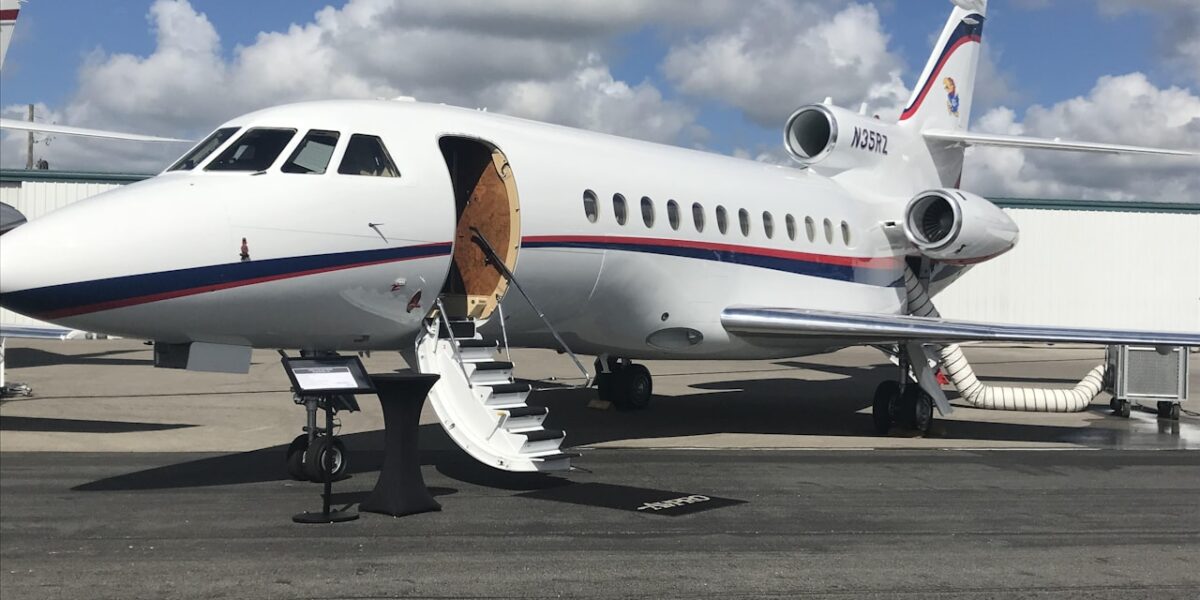
Business Travel Is Back. But Bleisure Changed Everything.
Corporate travel has returned to near pre-pandemic levels, but something fundamental has shifted. The sharp line between business trips and personal travel has blurred beyond recognition. Welcome to the era of bleisure—and it’s reshaping how airlines, hotels, and entire destination economies operate.
Defining Bleisure
Bleisure combines business and leisure travel into a single trip. The Friday conference in Austin becomes a weekend exploring the city. The Monday client meeting in Barcelona starts with a Saturday arrival and Sunday of sightseeing. What was once considered unprofessional—mixing work travel with personal time—has become normalized and even encouraged.
The numbers tell the story. Hotel industry surveys show that over 60% of business travelers now extend trips for leisure purposes at least occasionally. Among younger business travelers, the percentage approaches 80%. What used to be a rare perk has become standard practice.
How the Pandemic Changed Expectations
Remote work fundamentally altered the relationship between work and location. When employees proved they could work productively from anywhere, the argument against adding personal days to business trips collapsed.
The “work from anywhere” mentality extended naturally to “work during travel.” If you can take meetings from your home office, why not from a hotel room in Miami? If you’re already in a city for work, why fly home just to fly somewhere else for vacation?
Employers, eager to attract and retain talent, embraced flexibility. Corporate travel policies that once strictly prohibited trip extensions now often explicitly permit them. Some companies even encourage bleisure as a wellness benefit.
What Airlines See
Airlines adapted quickly. They notice that business travelers increasingly book over weekends, even when meetings don’t require it. They see premium cabin tickets for routes that don’t have traditional business travel patterns. They’ve adjusted revenue management to capture bleisure demand.
The traditional business traveler—flying out Monday, returning Thursday—hasn’t disappeared, but represents a shrinking proportion of premium traffic. The new business traveler might depart Saturday and return Wednesday, or extend through the following weekend.
This matters for network planning. Routes that only made sense with pure business demand now work economically when bleisure fills weekend seats. Destinations that were primarily leisure—Miami, Barcelona, Lisbon—see year-round premium demand that used to drop on weekends.
Hotels and Destinations Benefit
Hotels love bleisure travelers. These guests book longer stays, often at business rates for weekday nights and leisure rates for extensions. They spend in restaurants and amenities that pure business travelers, racing between meetings, never visit.
Destinations are repositioning. Cities market their lifestyle offerings to business travelers who might extend stays. Convention centers emphasize nearby attractions. Business districts develop entertainment options that would have seemed out of place a decade ago.
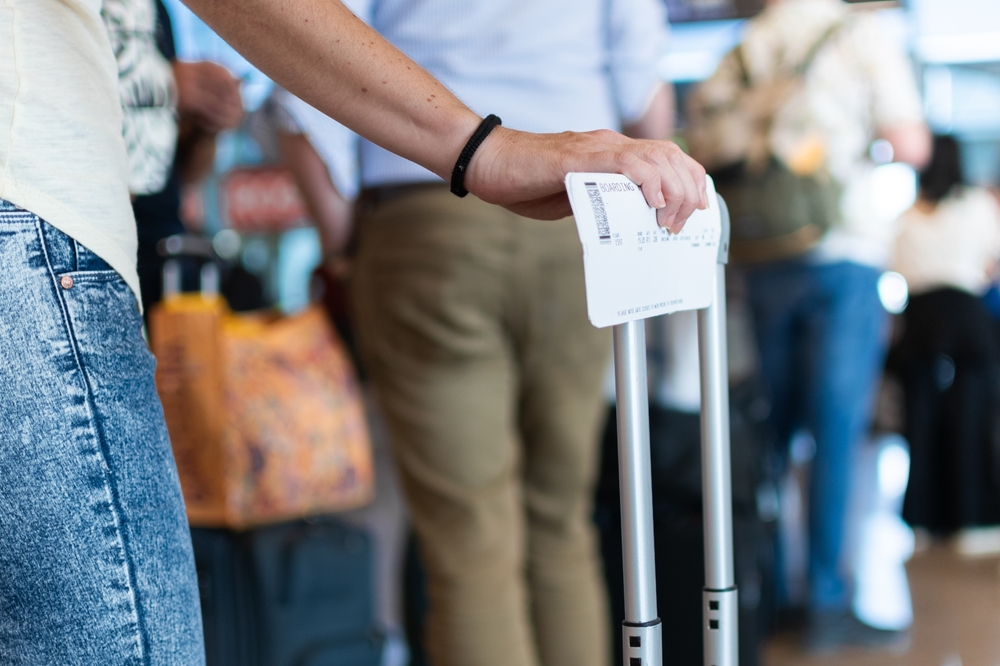
The Work Side of Bleisure
Bleisure isn’t just leisure attached to business—it’s increasingly business conducted during leisure travel. The digital nomad concept has filtered into mainstream corporate culture.
Teams that once gathered quarterly in the home office now organize offsite meetings in appealing locations. The “workation”—extended stays that combine remote work with vacation settings—has moved from startup culture to enterprise practice.
This shift creates challenges. Time zone management becomes complex when team members work from scattered locations. IT security concerns multiply as work happens on hotel WiFi and coffee shop connections. Managers must trust outcomes rather than presence.
Tax and Compliance Complexity
The bleisure trend creates administrative headaches. Which expenses are reimbursable when business and personal purposes blend? How should companies handle tax implications of extended stays in different jurisdictions? When does a business trip become something else entirely?
Corporate travel departments are developing new policies for this reality. Clear guidelines about what’s covered, what’s not, and what requires approval help manage costs while maintaining flexibility.
Who Benefits Most
Not all travelers can take advantage of bleisure equally. Knowledge workers with flexible schedules benefit most. Those with rigid work requirements, family obligations, or hourly pay structures may not have the same opportunities.
This creates a two-tier business travel experience. Some travelers extend every trip; others follow traditional patterns out of necessity rather than choice. Airlines and hotels must serve both segments effectively.
The Future of Business Travel
Business travel has returned, but not to its previous form. The rigid separation between work and personal time no longer makes sense in a world where work itself has become more flexible.
Airlines that understand bleisure patterns will capture demand their competitors miss. Hotels that cater to extended-stay business travelers will fill rooms that pure leisure or pure business traffic wouldn’t. Destinations that position themselves for bleisure will attract visitors—and spending—that would otherwise go elsewhere.
Business travel is back. It just doesn’t look like it used to.

Leave a Reply