Understanding Safety Pilot Requirements
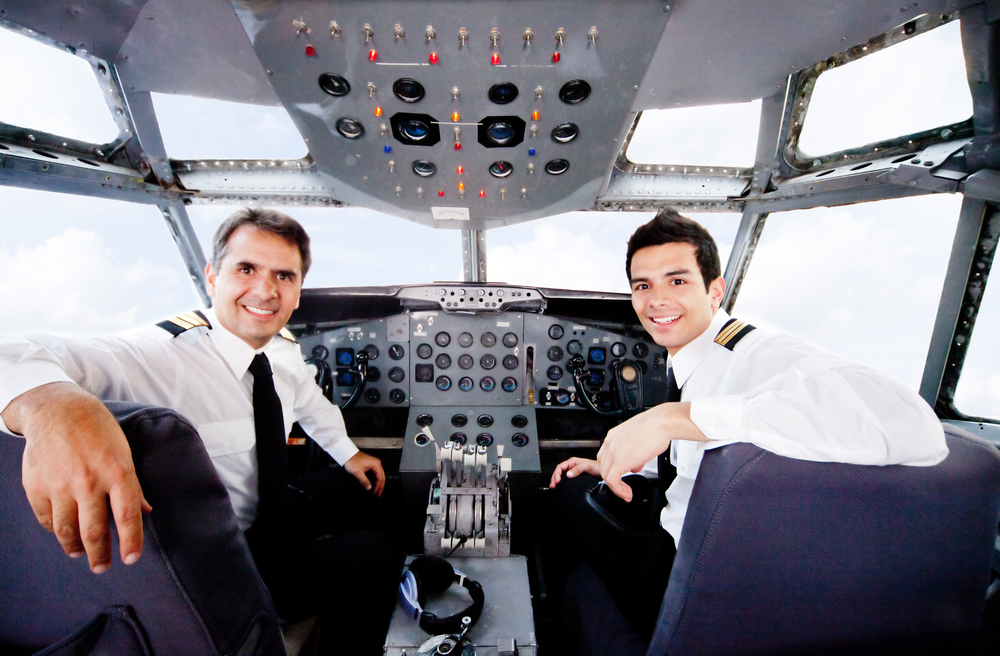
I remember my first time acting as a safety pilot – sitting in the right seat while my buddy practiced instrument approaches under the hood. The responsibility felt heavier than I expected. Being a safety pilot involves more than just occupying a seat; it plays a crucial role in aviation safety and training. Let me walk you through the requirements and responsibilities.
Role and Importance of a Safety Pilot
Safety pilots are instrumental during dual-control aircraft operations. They assist during simulated instrument flight conditions – those “under the hood” exercises where the primary pilot’s visibility is restricted. Your job? Maintain visual lookout for traffic and obstacles. That’s what makes safety pilots essential to the training process.
Basic Requirements
According to FAA regulations, specifically FAR 91.109, you need at least a private pilot certificate to act as a safety pilot. This ensures you have fundamental understanding of flight operations and safety protocols. Probably should have led with this, honestly – it’s the baseline requirement everything else builds on.
Medical Certification
A current medical certificate is necessary. For most general aviation operations, a third-class medical certificate works fine. This certification confirms you don’t have medical conditions that could impair your ability to perform safety pilot duties. Nothing complicated, but definitely required.
Aircraft Type Ratings and Endorsements
Here’s where it gets specific: you must be rated for the aircraft being flown. If the simulated flight happens in a single-engine airplane, you need at least a single-engine land rating. Makes sense when you think about it – you might need to take over at any moment.
Proficiency
Beyond ratings, you should be proficient in the aircraft’s systems. Familiarity with flight characteristics, controls, and emergency procedures isn’t optional. This proficiency ensures you can actually take control if something goes sideways.
Communication and Coordination
Clear communication between safety pilot and primary pilot is vital. You need to understand the flight plan, the conditions being practiced, and any special instructions. I’ve found that a quick briefing before starting makes everything smoother. This coordinated effort keeps flights safe and efficient.
Logging Flight Time
Here’s something newer pilots often wonder about: acting as safety pilot lets you log PIC time under certain conditions. FAR 61.51(e) specifies you can log PIC time while the other pilot practices simulated instrument flight. This logged time helps build experience and meet requirements for advanced ratings. Nice perk, honestly.
Pre-flight Briefing
Before any flight, thorough briefings are essential. Cover the flight plan, emergency procedures, roles, and responsibilities. Having clear understanding before takeoff prevents confusion when you’re in the air and things get busy.
Safety Equipment
Ensure the aircraft has proper safety equipment – functional seat belts, fire extinguishers, emergency locator transmitters. Both pilots should know where everything is and how to use it. The few minutes spent checking this stuff before departure is always worth it.
Scanning for Traffic
Your primary responsibility is scanning for other aircraft and potential hazards. Maintaining visual lookout is crucial, especially in busy airspace or during practice maneuvers when the primary pilot literally cannot see outside. Those eyes need to be working constantly.
Legal Responsibilities
The FAA holds both safety pilot and primary pilot accountable for adhering to regulations and ensuring flight safety. Non-compliance leads to consequences that can jeopardize your certificate. Understanding this shared responsibility matters.
Weather Considerations
Be aware of weather conditions. Check reports and forecasts before flight. Unexpected weather changes require informed decisions from both pilots. Weather doesn’t care about your training schedule.
Emergency Procedures
Be well-versed in emergency procedures for the aircraft. You might need to take control during an emergency – that’s not the time to be flipping through the POH trying to remember procedures. Regular practice and review enhance preparedness.
Flight Review and Currency
You must have completed a flight review within the preceding 24 months, per FAR 61.56. This review ensures proficient flying skills and current knowledge of regulations and safety protocols.
Risk Management
Assessing potential risks before and during flight helps prevent accidents. Evaluate conditions, make informed decisions, maintain safety throughout. Good risk management becomes second nature with experience.
Continuous Learning
Aviation evolves constantly – new technologies, regulations, and safety measures emerge regularly. Engaging in ongoing education through seminars, workshops, and reading keeps you informed and competent.
Maintaining Composure
Staying calm under pressure is a key trait. In stressful situations, rational decisions significantly impact outcomes. Practice stress management and build experience handling various flight scenarios.
Simulator Training
Simulators offer controlled environments to practice and refine skills. Using them helps safety pilots become more proficient in handling different situations without actual flight risks.
Networking and Mentorship
Engaging with the aviation community provides valuable insights. Building relationships with other pilots and seeking mentorship enhances knowledge and skills. The aviation community is generally welcoming to those wanting to learn.
Adherence to Checklists
Strict adherence to checklists ensures no important steps are overlooked. Verify that all procedures are followed accurately. Checklists exist because humans forget things under pressure.
Final Thoughts
The role of safety pilot involves comprehensive skills, responsibilities, and regulatory knowledge. Understanding and adhering to these requirements enhances flight safety and contributes positively to aviation. That’s what makes being a good safety pilot so valuable to us pilots working on our instrument skills.
Related Articles
Continue exploring:
Stay in the loop
Get the latest aircraft insider updates delivered to your inbox.