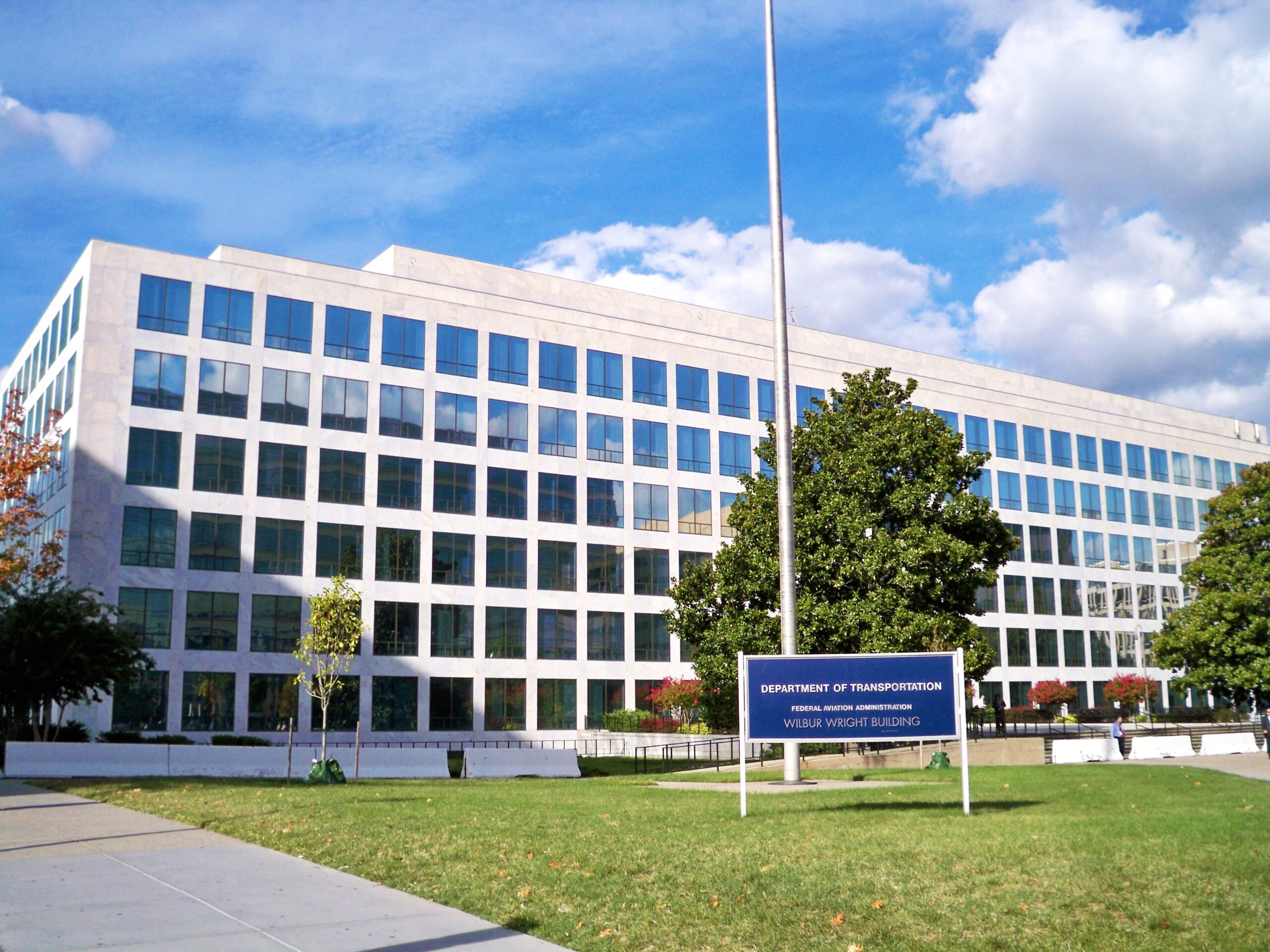
FAA Administrator Mike Whitaker has announced he will step down from his position effective January 20, 2025—the day of President-elect Donald Trump’s inauguration. His departure marks the end of a turbulent but consequential tenure at the helm of America’s aviation regulator.

Whitaker, who has served just over one year in the role, departs amid ongoing scrutiny of Boeing and significant regulatory challenges facing the aviation industry. His successor will inherit an agency navigating unprecedented demands on safety oversight, workforce, and technology.
The Boeing Challenge
Whitaker’s tenure was defined largely by the FAA’s response to Boeing’s quality control crisis. When an Alaska Airlines 737 MAX lost a door plug at 16,000 feet in January 2024, it triggered the most intensive oversight of Boeing since the MAX grounding of 2019.
Under Whitaker’s leadership, the FAA took aggressive action:
- Capped Boeing’s 737 MAX production at 38 aircraft per month
- Embedded additional FAA inspectors at Boeing facilities
- Required Boeing to submit detailed quality improvement plans
- Personally visited Boeing’s Renton factory to observe manufacturing processes
- Coordinated with the Department of Justice on potential criminal referrals
The production cap was only recently lifted to 42 aircraft per month, signaling that Whitaker’s approach produced measurable improvements—though critics argue the FAA should have acted more forcefully years earlier.
Beyond Boeing
While Boeing dominated headlines, Whitaker’s FAA addressed other significant issues. The agency advanced drone integration efforts, including progress on beyond-visual-line-of-sight (BVLOS) regulations that could enable commercial drone delivery at scale.
The FAA also worked to address pilot certification backlogs, modernize aging air traffic control systems, and respond to the growing challenge of unidentified drone activity near critical infrastructure.
Whitaker brought private sector experience to the role, having previously served as COO of United Airlines. That background informed his understanding of how regulatory decisions affect airline operations—though it also drew criticism from safety advocates who questioned whether an industry insider would hold manufacturers accountable.
Leadership Transition
The incoming Trump administration will need to nominate a new FAA administrator, subject to Senate confirmation. Until a permanent replacement is confirmed, the agency will operate under acting leadership—a familiar pattern for an agency that has experienced extended vacancies in recent years.
Key issues awaiting the next administrator include:
- Boeing oversight: Continued monitoring of manufacturing quality and production increases
- Airline safety: Addressing close calls and runway incursions that have raised concerns
- Drone integration: Finalizing BVLOS rules and managing proliferating drone activity
- Infrastructure: Modernizing air traffic control and expanding airport capacity
- Workforce: Recruiting and training air traffic controllers amid staffing shortages
Industry Reaction
Aviation industry groups acknowledged Whitaker’s efforts to address safety concerns while expressing hope for continuity in regulatory priorities. Airlines for America, the industry trade group, thanked Whitaker for his service while emphasizing the importance of stable FAA leadership.
Safety advocates offered more mixed assessments. Some praised the aggressive Boeing oversight; others argued that the FAA remained too cozy with the manufacturers it regulates.
What Comes Next
The FAA administrator role has become increasingly difficult. The agency faces pressure from Congress, safety advocates, airlines, manufacturers, and the traveling public—often with competing demands. Finding candidates willing to take the job, and capable of navigating its political complexities, is challenging.
Whitaker’s departure creates uncertainty at a critical moment. The Boeing situation remains fluid, drone policy requires attention, and the traveling public expects the FAA to prevent the next crisis—whatever form it takes.
For now, the aviation industry watches and waits to see who will lead the FAA through whatever comes next.


Stay in the loop
Get the latest aircraft insider updates delivered to your inbox.