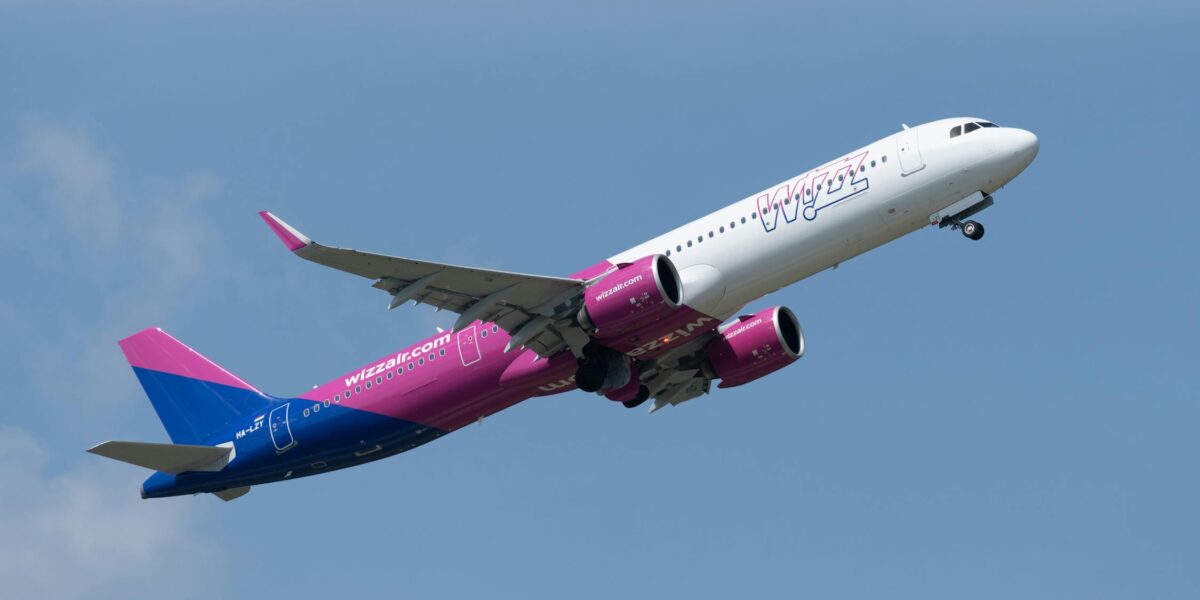
The Airbus A321XLR isn’t just another incremental upgrade. It’s the aircraft that finally killed Boeing’s legendary 757—and it does something no narrowbody has done before: fly transatlantic routes that used to require jets twice its size.
With a range of 4,700 nautical miles and the ability to stay airborne for 11 hours, the XLR blurs the line between single-aisle and widebody. It’s already flying passengers from Madrid to Boston, and by 2026, it will connect dozens of city pairs that were previously impossible without a much larger—and much more expensive—aircraft.
Here’s everything you need to know about the plane reshaping long-haul aviation.
Dimensions and Capacity
At 146 feet long with a wingspan of 117 feet 5 inches, the A321XLR is slightly longer than the Boeing 737 MAX 10 (143 feet 8 inches) but narrower in wingspan. That extra length comes from two fuselage plugs—a 14-foot section ahead of the wing and an 8-foot 9-inch section behind it.
The numbers that matter most:
- Maximum passengers: 244 (single class)
- Typical configuration: 180-220 (two class with lie-flat business)
- Height: 38 feet 7 inches
- Maximum takeoff weight: 101.5 tonnes
American Airlines configured theirs with just 155 seats—20 business class suites, 12 premium economy, and 123 main cabin. That’s intentionally sparse for a transatlantic premium product.
Performance and Range
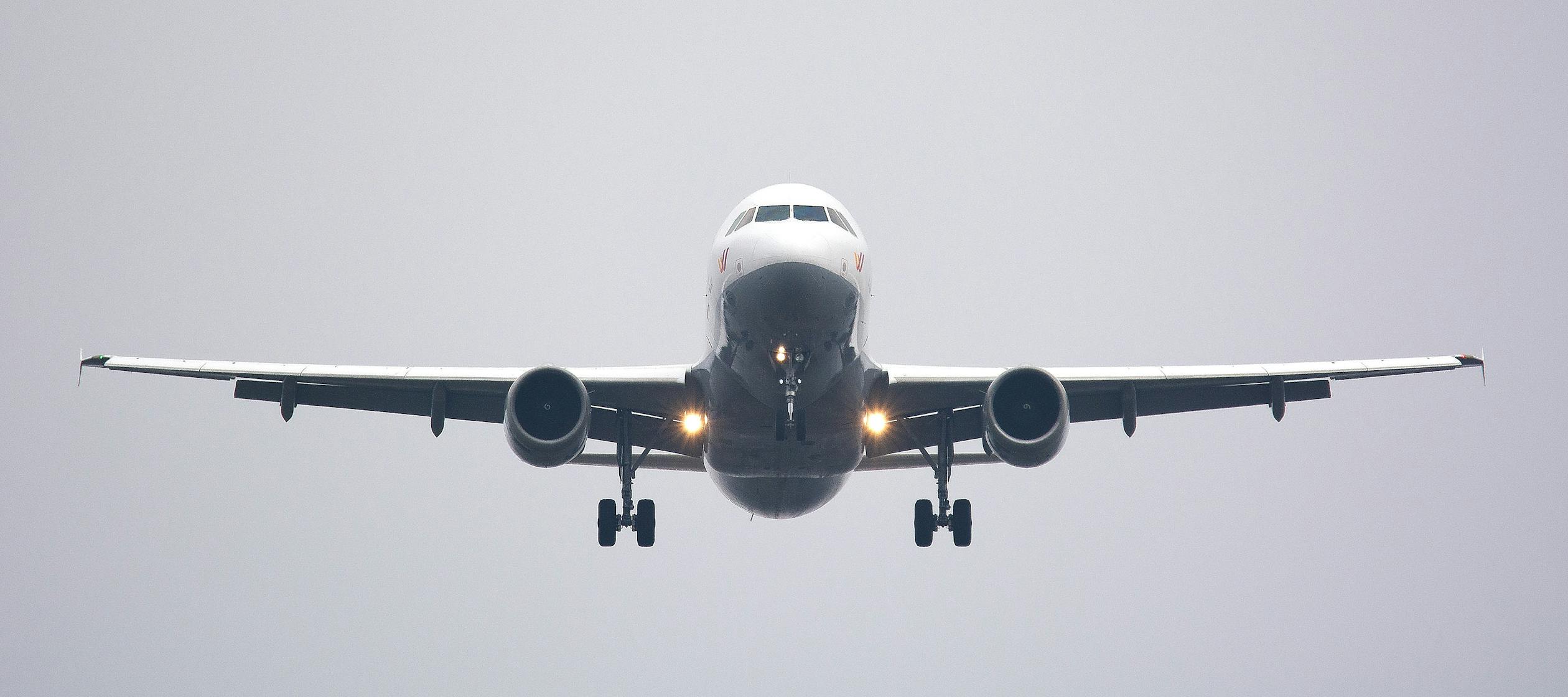
This is where the XLR earns its name. XLR stands for “Xtra Long Range,” and it delivers:
- Maximum range: 4,700 nautical miles (8,700 km)
- Maximum flight time: 11 hours
- Cruise speed: Mach 0.78 (518 mph)
- Maximum speed: Mach 0.82 (544 mph)
- Service ceiling: 39,800 feet
To put that range in perspective: from Philadelphia, nearly all of Europe is reachable. From Florida, you can fly nonstop to Buenos Aires. From New York, Edinburgh, Dublin, Lisbon, and even Tel Aviv are all within reach.
The XLR flies 1,200 nautical miles farther than the standard A321neo and 1,600 nautical miles farther than the Boeing 737 MAX 10. That’s not a marginal improvement—it’s 50% more range than Boeing’s largest narrowbody.
Engines and Powerplant
Airlines can choose between two engine options:
- CFM LEAP-1A: 32,160-33,110 lbf thrust, bypass ratio of 11:1
- Pratt & Whitney PW1100G-JM: Similar thrust, bypass ratio of 12.5:1 (highest of any turbofan in service)
Both deliver roughly 15-20% better fuel efficiency than previous-generation engines. The geared turbofan design of the PW1100G allows the fan and turbine to spin at different speeds—optimal for each component rather than a compromise for both.
The LEAP-1A variant was certified first (July 2024), with the PW1100G version following in February 2025. Most early customers, including Iberia, went with the CFM option.
Cockpit and Avionics
Pilots transitioning from any A320 family aircraft need minimal additional training—same type rating applies across the neo family. The cockpit features Airbus’s latest avionics suite with enhanced displays and fly-by-wire controls.
From a pilot’s perspective, the XLR handles like any other A321neo. The weight increase from the additional fuel capacity is offset by reinforced landing gear. The aircraft was designed to feel familiar, not revolutionary, from the flight deck.
What does change: mission planning. Pilots flying 11-hour sectors need different fatigue management than those doing 4-hour hops. Airlines are developing new crew rest protocols specifically for XLR operations.
Cabin and Passenger Experience
The XLR features Airbus’s Airspace cabin, the same interior brand found on the A350 and A330neo. Key improvements for long-haul comfort:
- Lower cabin altitude: Under 6,000 feet at cruise (vs. 8,000 feet on older aircraft)—less fatigue and faster recovery
- Overhead bins: 60% larger than previous generation—every passenger can stow a roller bag
- Enhanced insulation: Additional thermal and acoustic insulation in the forward fuselage for quieter, more comfortable long sectors
- LED mood lighting: Programmable ambient lighting throughout the cabin
Business class seats on most carriers convert to fully lie-flat beds. Iberia uses the VantageSOLO seat specifically designed for single-aisle long-haul. American Airlines installed their Flagship Suite product with door.

The catch: It’s still a narrowbody. Reviewers note that boarding takes longer than widebodies (single aisle, everyone through one door), and bathroom ratios can get rough in economy—some configurations have 168 passengers sharing a single lavatory when galleys are in use.
Economic Impact
Here’s where the XLR changes the math for airlines:
- 30% less fuel per seat than previous-generation aircraft
- 45% lower costs per flight than operating a widebody on the same route
- Fleet commonality: Airlines already operating A320neos can add XLRs with minimal training and parts investment
Routes that couldn’t justify a 250-seat widebody suddenly work with a 180-seat narrowbody. Think secondary city pairs: Philadelphia-Rome, Boston-Dublin, Dallas-Lisbon. These become profitable where they weren’t before.
For passengers, this is a double-edged sword. More routes mean more options. But it also means flying 8+ hours in a narrowbody cabin that some find cramped compared to widebody alternatives.
Environmental Considerations
Airbus claims the XLR reduces CO2 emissions by up to 30% per seat compared to previous-generation aircraft on similar routes. Compared specifically to the Boeing 757-200 it replaces, that’s roughly a 19% improvement per seat-kilometer.
The aircraft is fully compatible with Sustainable Aviation Fuel (SAF). Noise footprint is also significantly reduced—important for airports with strict noise curfews like London City.
The irony: by making long-haul flying cheaper and more accessible, the XLR may actually increase total aviation emissions by enabling routes that didn’t exist before. Efficiency per flight is up; total flights may also be up.

Safety Features
The A321XLR’s most significant safety challenge was its Rear Center Tank (RCT)—a structural fuel tank integrated into the rear fuselage that holds 12,900 liters of additional fuel.
This tank is what gives the XLR its range, but it’s also what delayed certification by over a year. Both EASA and the FAA required Airbus to prove the tank could survive a belly landing or post-crash fire without endangering passengers.
Airbus’s solution included:
- Stronger composite materials in the tank structure
- Additional protective structural provisions
- An inner liner to limit potential fuel leakage
- Proof that fuel vapors won’t ignite for at least 5 minutes during evacuation
These modifications added 700-800 kg to the aircraft’s weight, reducing range by about 200 nautical miles from original projections. Still, the 4,700 nm range remains class-leading.
Comparisons with Competitors
The XLR’s primary competition isn’t the Boeing 737 MAX 10—it’s the absence of any direct competitor.
| Specification | A321XLR | 737 MAX 10 | Boeing 757-200 |
|---|---|---|---|
| Max Range | 4,700 nm | 3,100 nm | 3,900 nm |
| Max Passengers | 244 | 230 | 239 |
| Length | 146 ft | 143 ft 8 in | 155 ft 3 in |
| Status | In service | Awaiting certification | Out of production |
The MAX 10 competes on capacity for short-to-medium routes. The XLR competes on range for routes that previously required widebodies. They rarely go head-to-head for the same mission.
Boeing’s “New Midsize Airplane” (NMA) project was supposed to compete directly with the XLR. It was cancelled. That leaves Airbus with a monopoly on the long-range narrowbody segment.
Airlines and Orders
As of early 2025, over 500 A321XLRs have been ordered. Key customers:
- IndiGo: 69 aircraft (largest single order)
- American Airlines: 50 aircraft
- United Airlines: 50 aircraft
- IAG (Iberia/Aer Lingus): 14 aircraft
- Wizz Air: First ULCC operator, began service March 2025
- Qantas: Operating for domestic Australia and Asian routes
Launch customer: Iberia took delivery of the first XLR on October 30, 2024. Commercial service began November 14, 2024, on Madrid-Boston.
First US carrier: American Airlines began XLR operations December 18, 2025, initially on transcontinental JFK-LAX before launching transatlantic routes to Edinburgh in March 2026.
United’s network chief Patrick Quayle promised “head-turning route announcements” when their XLRs arrive. The aircraft opens secondary transatlantic markets that couldn’t support widebody service.
The Real Story
The fuel tank fight that almost killed the program:
The Rear Center Tank wasn’t just a regulatory hurdle—it became a proxy war between Airbus and Boeing. When EASA proposed special conditions for certifying the tank, Boeing’s Global Regulatory Strategy director Mildred Troegeler submitted formal comments pointing out “fuel tanks integral to the airframe structure inherently provide less redundancy than structurally separate fuel tanks.”
Translation: Boeing wanted regulators to make life harder for Airbus.
The certification process took over five years. EASA and Airbus held more than 400 joint technical meetings. Three test aircraft flew 900 hours. Over 500 certification documents were produced, reviewed, and signed off.
The weight penalty airlines don’t advertise:
Those safety modifications added 700-800 kg of weight and cut about 200 nautical miles from the original range projections. Airlines don’t mention this in their marketing. The XLR that entered service is slightly less capable than the XLR that was promised in 2019.
The 757 ghost:
Boeing called the 757 the “Pocket Rocket” for its insane thrust-to-weight ratio. It was overbuilt, overpowered, and could operate from short runways that the A321 struggles with. Some routes—particularly high-altitude airports and short runways in places like Bogota or Mexico City—still favor the 757’s performance characteristics.
The XLR is more efficient. The 757 was more versatile. Airlines are choosing efficiency.
Fun Facts and Trivia
The 30-year glow-up: Over three decades, the A321 family’s maximum takeoff weight grew 20% (from 83 to 101 tonnes), seating density increased 10%, and range literally doubled—from 2,300 to 4,700 nautical miles. Same basic airframe, completely different capability.
The name that almost was: Before “XLR” was finalized, Airbus considered various names. The X officially stands for “Xtra” in Xtra Long Range—corporate speak that somehow stuck.
The Paris Air Show launch: The A321XLR was announced at the 2019 Paris Air Show with 200+ orders on day one. It was the splashiest narrowbody launch in years—and came just months after Boeing’s MAX was grounded worldwide.
The 11-hour bathroom problem: With some airline configurations putting 168 economy passengers behind a single accessible lavatory (when galleys block the rear lavatories), the XLR has sparked industry discussion about minimum bathroom-to-passenger ratios for long-haul flights. There are currently no regulations.
First transatlantic: Iberia’s inaugural XLR revenue flight on November 14, 2024 (Madrid-Boston) marked the first regularly scheduled transatlantic service by a purpose-built long-range narrowbody. The 757 did it for decades, but was designed for domestic routes and adapted for transatlantic later.
Future Prospects
The XLR’s order book is strong and growing. With no Boeing competitor on the horizon and the 757 fleet aging out, airlines have no alternative for long-range narrowbody operations.
Expect to see:
- More secondary transatlantic routes (think Cleveland-Dublin, not just JFK-London)
- Ultra-long-haul low-cost carriers expanding to intercontinental markets
- Potential XLR-based freighter variant discussions
- Continued production ramp-up through 2027
The XLR isn’t replacing widebodies on major routes—it’s creating new routes that didn’t exist before. That’s the real disruption.
Conclusion
The Airbus A321XLR is the most significant narrowbody development since the original 757. It doesn’t compete directly with the Boeing 737 MAX 10—it operates in a category Boeing chose not to contest.
For passengers, it means more route options but potentially tighter cabins on long flights. For airlines, it means profitable long-haul operations from secondary airports. For Boeing, it means watching Airbus own the long-range narrowbody market unchallenged.
The XLR is already flying, already profitable, and already reshaping how airlines think about transatlantic travel. Whether that’s a revolution or just an evolution depends on where you’re sitting—and for how many hours.



Leave a Reply