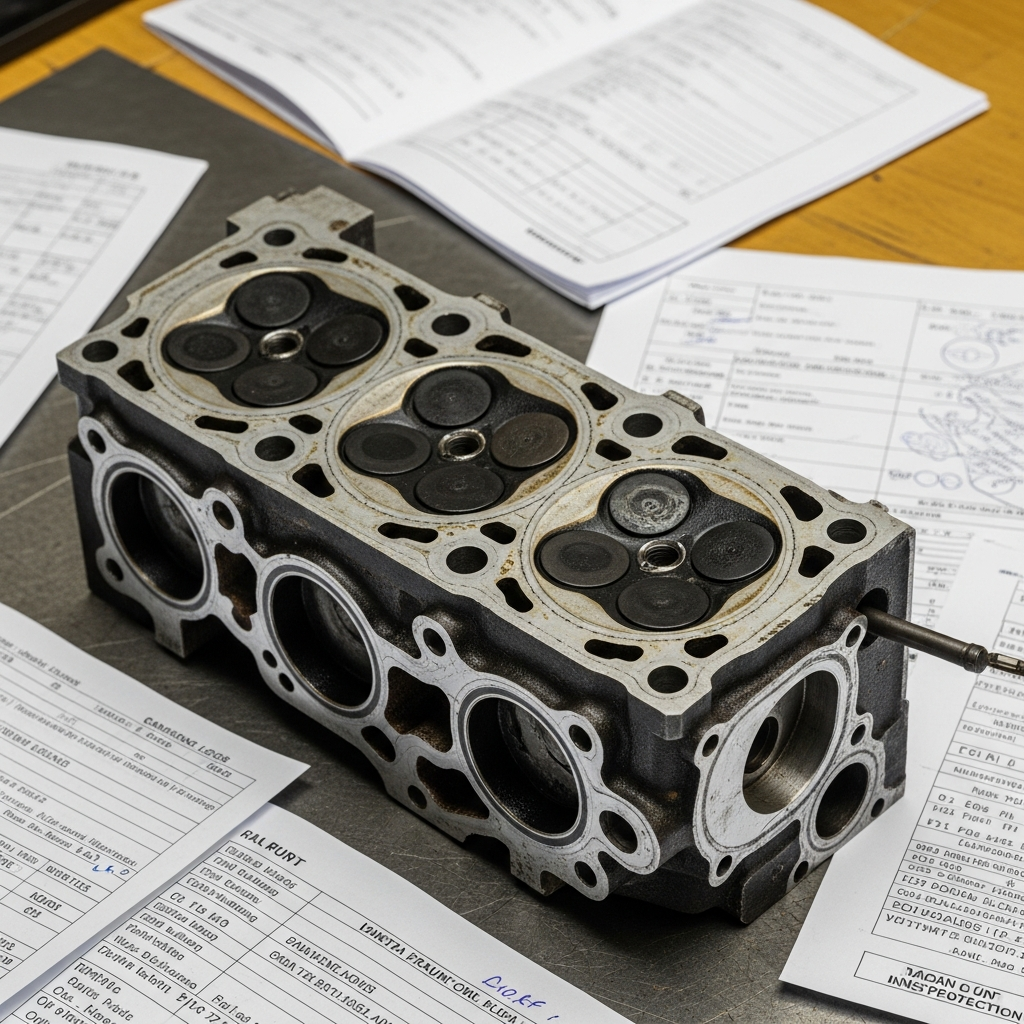
Why Bonanza Engines Have a Reputation
Bonanza engine ownership has gotten complicated with all the conflicting advice flying around. Ask five different A&Ps and you’ll get five different answers about what actually matters. So let me cut through it.
I’ve spent years talking with mechanics who specialize exclusively in Beechcraft maintenance — not weekend generalists, but guys who’ve torn down IO-470s and IO-550s more times than they can count. What I learned surprised me. These engines aren’t fragile. They’re actually quite capable. But they have failure patterns that show up like clockwork, and almost nobody warns new buyers about them before the purchase.
Today, I will share it all with you.
The Bonanza lineup runs primarily on two Continental powerplants. The IO-470 lives in earlier models — B35 variants and some A36 configurations. The IO-550 handles the newer, higher-performance builds. Both architectures share similar DNA. Both respond poorly to neglect. And both hide their real condition from the kind of cursory pre-buy inspections most buyers settle for. That’s where the trouble starts.
Camshaft and Lifter Wear — The Big One
Cam and lifter spalling is the signature Bonanza engine problem. Bring it up with any experienced A&P who works on these aircraft and watch their expression change. They’ve seen it. Repeatedly.
But what is spalling, exactly? In essence, it’s the progressive flaking of metal from the cam lobe and lifter contact surfaces. But it’s much more than that — it’s a slow failure mode that gives almost no warning until the damage is already expensive.
Here’s the mechanical reality. Continental-design lifters ride directly on a rotating camshaft. That contact surface endures thousands of strikes per minute under normal operation. When oil contamination builds — from infrequent flying, fuel dilution during cold starts, or long storage periods — the protective film between cam and lifter breaks down. Metal touches metal. Tiny fragments flake off. The engine doesn’t quit. It just quietly deteriorates.
One day the pilot hears a faint ticking at startup. Or an A&P pulls an oil sample and spots metallic shimmer under the shop light. By that point, the damage is usually substantial. That was probably 400 hours in the making.
Timing-wise, spalling typically surfaces somewhere between 1,200 and 1,600 hours on an IO-470. The IO-550 runs a little longer — call it 1,400 to 1,800 hours. These numbers aren’t arbitrary. They correlate directly with engines that spent their lives flying 20–30 hours annually with stretched oil intervals. An owner flying 100 hours a year and changing oil every 25 hours? Different story entirely.
The diagnostic that actually works is a borescope inspection. A mechanic threads a small camera through the spark plug hole and examines cylinder walls, piston crowns, and valve faces directly. Thirty minutes per cylinder. Full six-cylinder exam runs roughly $1,200–$1,800 depending on shop rates. Most pre-buy inspections skip it entirely — too expensive, too time-consuming, too inconvenient. That’s the mistake owners make over and over again. Don’t make my mistake.
When you’re evaluating a used Bonanza, ask your A&P directly: “Will you borescope all six cylinders?” If the answer involves hedging or cost concerns, get a second opinion. A mechanic unwilling to borescope an engine sitting in the 1,200–1,600 hour window is either cutting corners or doesn’t understand what they’re looking for.
Early warning signs worth chasing down: rough idle at startup, slight hesitation when transitioning from taxi power to takeoff power, and metallic shimmer in oil samples held under bright light. None of those confirm spalling on their own. All of them justify a deeper look.
Rough Running and Fuel Injection Problems
Probably should have opened with this section, honestly — because most Bonanza buyers encounter fuel system issues before they ever worry about cam wear.
The Continental fuel injection system is broadly reliable. But when it degrades, it degrades in very specific, predictable ways. Injector nozzles accumulate carbon deposits. Fuel screens collect particulate matter over hundreds of hours. Individual cylinders start receiving uneven fuel distribution. The engine runs rough — especially on climb-out, when power demand spikes and the fuel management system works hardest.
Symptom checklist worth memorizing:
- EGT spread exceeding 75°F between the hottest and coolest cylinders
- Rough idle that only smooths out after 5–10 minutes of running
- Engine hesitation when advancing the throttle on climb
- Inability to find a stable lean mixture — the engine runs too rich or too lean with nothing in between
A fuel injector flow test runs $400–$600 and pinpoints exactly which injectors are underperforming. Clogged injectors sometimes respond to ultrasonic cleaning — budget $150–$250 per injector for that. Damaged units need outright replacement at $300–$500 each. It adds up fast if the previous owner deferred service.
Continental has issued service bulletins addressing fuel distribution issues on specific engine serial number ranges. Your A&P should cross-reference those against the aircraft’s paperwork. It takes maybe 15 minutes and costs nothing. It happens less often than it should.
A pre-buy should always include a fuel system pressure and flow test. If your mechanic doesn’t propose one, ask why — and pay attention to the answer.
Oil Consumption Warning Signs
Normal oil consumption for an IO-470 or IO-550 sits somewhere around one quart per 8–12 flight hours. I’m apparently on the lower end of that range — my IO-550 runs about one quart per 11 hours and has for years. Older engines burn slightly more. That’s expected.
Sudden increases are a different situation entirely. An engine that burned one quart per 10 hours and now burns one quart per 4 hours has changed — and usually not subtly. Something significant has shifted internally.
Root causes break down along a few lines. Worn piston rings allow combustion gases to escape past the rings into the crankcase, dragging oil vapor along with them. Worn valve guides let oil seep past and burn directly in the combustion chamber. Early cylinder wall corrosion from moisture contamination can accelerate consumption faster than normal wear patterns would suggest.
Request a cylinder compression check. On these engines, expect readings between 70 and 80 PSI. Anything below 65 PSI warrants a borescope. A cylinder reading 55 PSI probably needs a top overhaul in the near term. Below 50 PSI — significant wear is already present, and the conversation shifts from maintenance to overhaul planning.
Oil analysis trends matter more than any single number. Blackstone Labs charges around $30–$35 per sample and tracks metals over time. Gradual iron increases indicate normal aging. A sudden iron spike indicates a problem. Same logic applies to chromium and lead readings — slow climbs are wear, sharp jumps are warnings. An owner with five consecutive clean oil analyses from Blackstone is telling you something important about their maintenance habits.
What to Check Before You Buy a Used Bonanza
Buying a used Bonanza without thorough engine inspection is how people spend $80,000 on an airframe and face a $30,000 engine overhaul before their first annual. That’s not a horror story — it’s a pattern. A predictable, avoidable one.
Start with the logbooks. Look specifically for:
- TBO status — Both the IO-470 and IO-550 carry 2,000-hour TBO ratings. An engine at 1,850 hours is not remotely the same purchase risk as one at 1,200 hours. Near-TBO engines sell cheaper for an obvious reason.
- Top overhaul history — Has the engine had a top overhaul? When, and by which shop? A documented top overhaul at 1,600 hours is a genuine positive signal. High-time engine with zero top overhaul history is a red flag worth taking seriously.
- Oil analysis records — Disciplined owners send samples regularly. A logbook with no oil analysis history suggests someone who wasn’t paying close attention.
- Magneto and alternator service — Magnetos need inspection every 500 hours. The alternator isn’t immortal either — older units fail without warning, and replacement runs $800–$1,200 installed.
During the actual inspection, insist on a borescope exam of all six cylinders. Budget $1,500–$2,000 for it. That’s the test that actually reveals camshaft spalling, ring wear, and valve seat condition — and no other test substitutes for it.
Request a fuel system flow test and injector cleaning if the service history looks thin. Ask for a fresh oil analysis — have the A&P drain the oil, pull a sample immediately, and hold the purchase until results come back from the lab.
Compression-check every cylinder and write down the numbers. Any reading below 65 PSI deserves an explanation before you sign anything.
That’s what makes a thorough pre-buy endearing to us Bonanza enthusiasts — it separates the aircraft worth owning from the ones worth walking away from. A well-maintained Bonanza engine, flown regularly and serviced consistently, will give thousands of reliable hours. So, without further ado, let’s be direct: skip the due diligence and you’re not buying an airplane. You’re buying someone else’s deferred maintenance bill.
Stay in the loop
Get the latest aircraft insider updates delivered to your inbox.