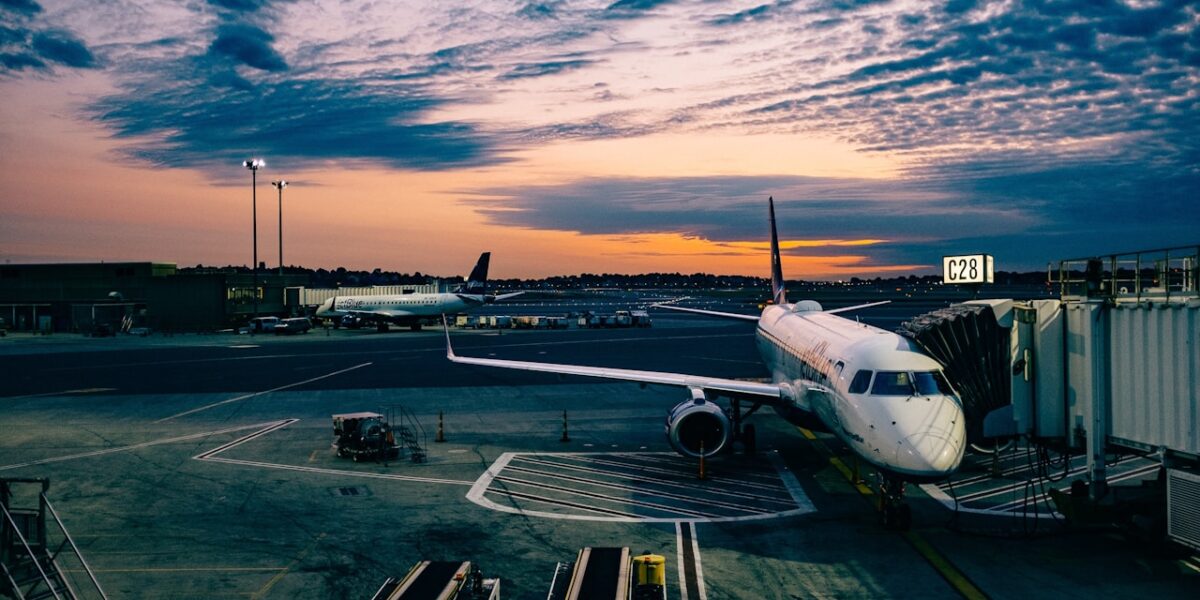
Is It Safe to Fly in the Rain?
I was sitting in an airport terminal last year watching rain absolutely pound the windows, and the family next to me looked genuinely concerned. “Should we even be flying in this?” the mom asked nobody in particular. It’s a fair question, and one I’ve heard countless times. So let me walk you through what actually happens when aircraft meet precipitation.
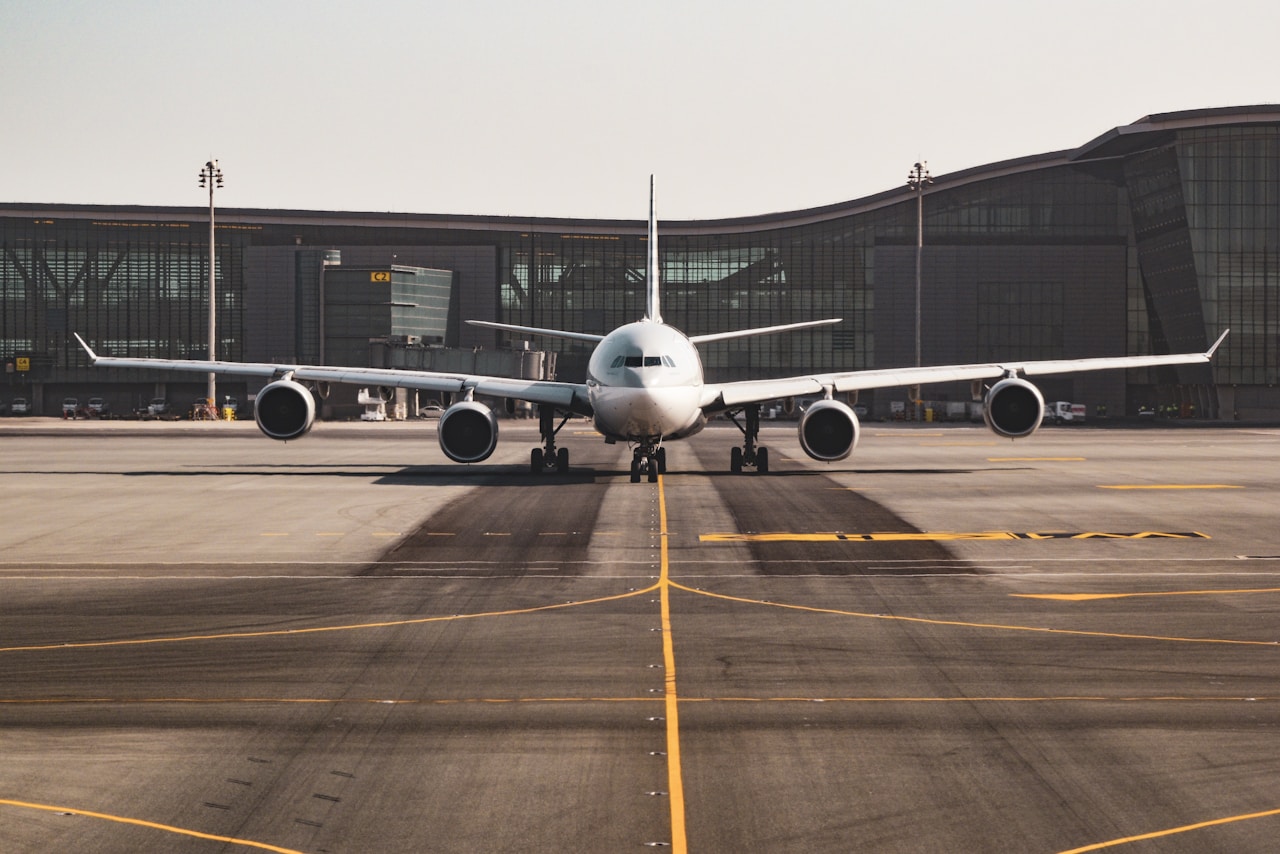
How Modern Aircraft Handle Rain
Here’s the thing that might surprise you: aircraft are designed from the ground up to operate in rain. Modern weather radar systems let pilots see precipitation ahead, identify storm cells, and route around the worst of it. The cockpit displays paint a picture of what’s happening for miles ahead, giving crews plenty of time to adjust course. It’s not guesswork – it’s sophisticated technology developed over decades.
Takeoff and Landing in Wet Conditions
Probably should have mentioned this first: takeoff and landing are where rain matters most. Wet runways do increase stopping distances and can create hydroplaning conditions. But airports have engineered solutions – grooved runway surfaces that channel water away, advanced drainage systems, and friction testing to monitor conditions.
Pilots adjust their techniques accordingly. Approach speeds might change slightly. Braking procedures account for reduced friction. Modern aircraft have anti-skid braking systems similar to ABS in cars, preventing wheel lockup on slippery surfaces. And pilots receive continuous updates on actual runway conditions, not just weather forecasts.
When You Can’t See Much
Rain can reduce visibility, no question about it. But here’s what that family in the terminal didn’t know: pilots are trained extensively to fly using instruments alone. Instrument Flight Rules (IFR) procedures allow aircraft to operate safely even when visibility drops significantly. It’s not about seeing the runway with your eyes until the final moments of approach.
Airports have Instrument Landing Systems (ILS) that provide precise guidance – lateral and vertical – right down to the runway. These systems work regardless of whether it’s sunny or pouring. Pilots follow the electronic signals, and the airplane arrives exactly where it needs to be.
The Turbulence Question
Rain often comes with turbulence, and I won’t pretend that’s pleasant. Those bumps can be uncomfortable, and I understand why passengers don’t enjoy them. But here’s the honest truth: turbulence that feels dramatic in the cabin is typically not dangerous to the aircraft. Modern jets are built to handle stresses far beyond what weather produces.
Pilots actively manage turbulence by adjusting altitude and routing around the worst areas. When bumps are expected, the seatbelt signs come on, and that’s when you should actually be sitting with your belt fastened. Aircraft are built to withstand extraordinary forces – a few bumps aren’t testing their limits.
What About Lightning?
Flying through thunderstorms can mean encountering lightning, and yes, airplanes do get struck by lightning. Here’s what most people don’t realize: aircraft are designed for exactly this situation. The aluminum skin conducts electricity around the outside of the fuselage, allowing the charge to exit without affecting the cabin or critical systems.
That said, pilots avoid thunderstorms whenever possible – not because of lightning alone, but because of the turbulence, hail, and wind shear that often accompany them. Weather radar helps crews steer clear of the most intense cells.
The System Behind the Scenes
Air traffic controllers are constantly monitoring weather and coordinating with pilots to maintain safety. They can reroute flights, hold aircraft on the ground until conditions improve, and ensure safe separation even when multiple planes are navigating around the same storm system.
Airlines have their own meteorology departments and flight dispatchers who analyze conditions before flights even depart. Sometimes that analysis results in delays or cancellations – inconvenient, yes, but those decisions prioritize safety over schedule.
The Machines Are Ready
Aircraft undergo rigorous maintenance precisely because they operate in challenging conditions. Braking systems are tested and inspected regularly. Windshield wipers and rain repellent systems are standard equipment. Engine nacelles are designed to handle rain ingestion – they’ve been tested in conditions far more severe than typical weather.
Pilots Train for This
Every commercial pilot has spent hundreds of hours in simulators practicing exactly these scenarios. Crosswind landings on wet runways. Low-visibility approaches. Decision-making when weather deteriorates. It’s not heroic improvisation – it’s trained, practiced procedure.
Experienced pilots have seen it all. They know how to manage conditions and when to exercise caution. Their judgment is a critical safety layer that works alongside the technology.
What You Can Do
As a passenger, your job is relatively simple. Check weather forecasts and prepare for potential delays. Dress comfortably for longer-than-expected airport time. Keep your seatbelt fastened when seated – turbulence is the main rain-related risk to passengers, and belts prevent injury.
Listen to crew instructions. Keep devices charged for entertainment during delays. And honestly, try not to worry too much. The people flying the plane do this every day.
The Bottom Line
Flying in rain is fundamentally safe. Aircraft design, pilot training, and comprehensive safety systems all account for wet weather operations. While rain can introduce challenges – reduced visibility, slicker runways, turbulence – technology and expertise mitigate these factors effectively. The flight you’re worried about has been planned and executed safely thousands of times before.
Related Articles
Continue exploring:
- The Latest Trends Shaping Business Aviation in 2024
- Qatar Qsuite 2.0: The Business Class That Makes First Class Jealous
- Sun Valley Aviation: Idahos Premier FBO

Stay in the loop
Get the latest wildlife research and conservation news delivered to your inbox.