
Sustainable Aviation Fuel: Progress and Challenges
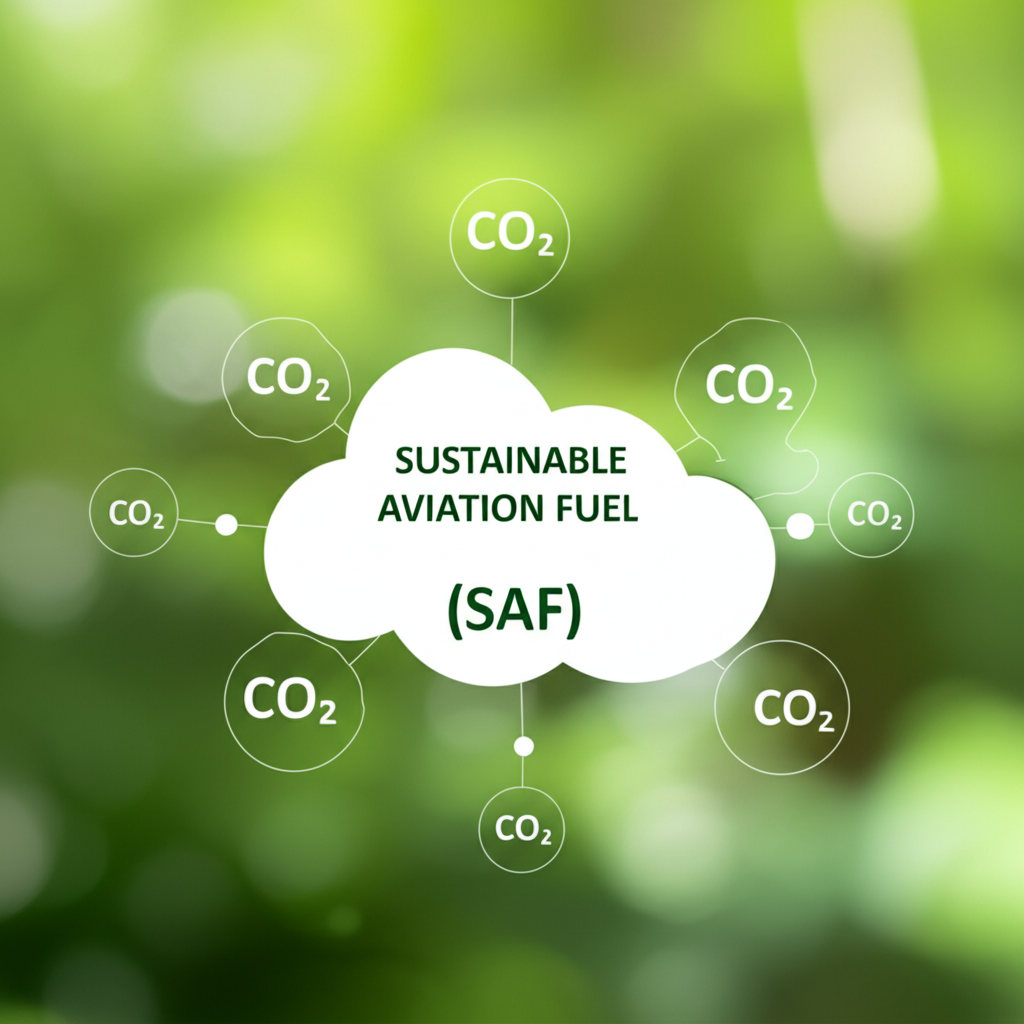
Sustainable Aviation Fuel remains aviation’s best near-term solution for reducing carbon emissions. Production is scaling, but not fast enough to meet airline commitments or regulatory requirements. Here’s where SAF stands as we enter 2026.
Production Reality
SAF currently represents less than 1% of total jet fuel consumption globally. While production capacity is expanding, the gap between supply and demand remains enormous.
New production facilities are coming online in the US, Europe, and Asia. But building refineries takes years, and feedstock availability limits how quickly production can scale.
The Cost Challenge
SAF costs 2-5 times more than conventional jet fuel. Airlines pass some of this cost to passengers through sustainability fees, but price remains a significant barrier to adoption.
Regulatory Pressure
European regulations mandate increasing SAF use over the coming decade. Airlines face penalties for non-compliance. This regulatory certainty helps justify investment in production capacity.
The Bottom Line
SAF is real and works – it can be used in existing engines without modification. The challenge is producing enough at a price airlines can absorb. Progress is being made, but the path to net-zero aviation remains long.



Leave a Reply